

The line between subscription and membership is blurring, but that doesn’t mean membership is just subscription with a different name.
Subscription is a transaction. Membership is a relationship.
It’s the difference between “Pay to access content” and “Support something you care about, and be part of it”
To help you build a successful membership model, this article shares 4 publisher case studies, with strategies to steal from each. One of these publishers, The Guardian, would likely say they have a supporter model over membership, but the strategies built around conversion are very membership-like, meaning there’s still plenty to take away from their success.
1. The Guardian: turning readers into supporters
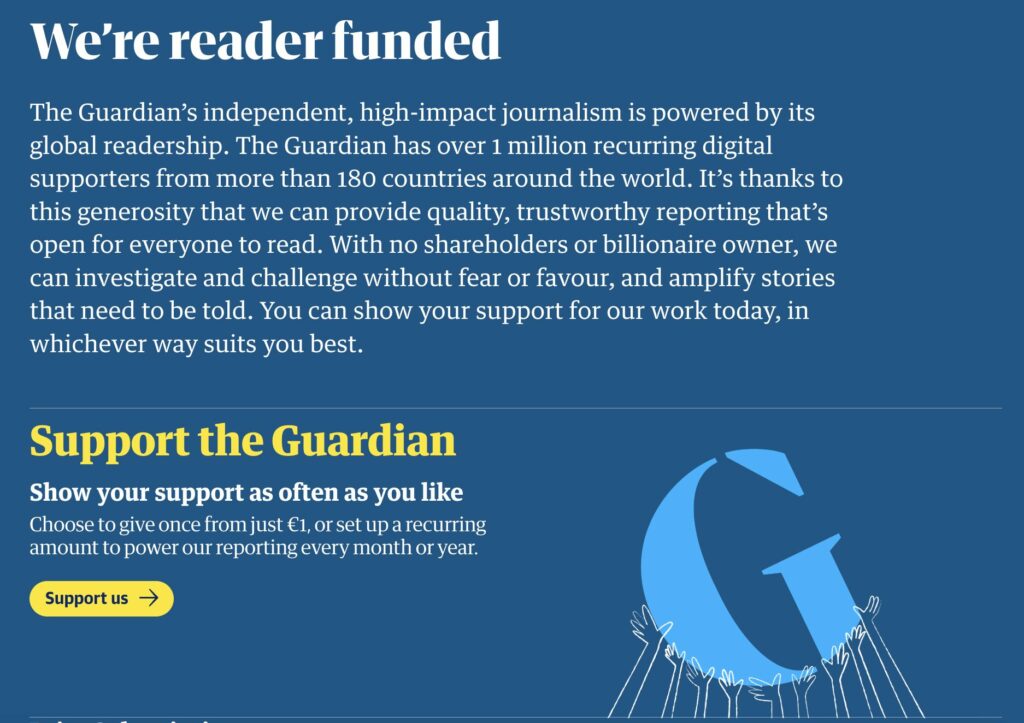
The Guardian’s journalism is free to access for everyone. But even without a paywall, over 1 million readers support them on a recurring basis.
What’s working
Although there are some concrete benefits to supporting The Guardian (such as exclusive newsletters, less ads and access to their app), supporters aren’t paying for access, they’re supporting and participating in The Guardian’s mission. It’s this emotional layer that’s paying off.
Messaging around gaining support is built around the 10 ‘supporter motivations’:
- Editorial independence
- Protect the free press
- Investigative journalism
- Trustworthy, factual, high quality
- Holds power to account
- Open for all, no paywall
- International perspective
- Financial challenges in media
- Better understand world events
- It’s only fair to pay
These are then integrated into homepage banners, end-of-article ‘epics’ and emailing, where messaging is continuously tested, iterated and updated, often making use of current news events:
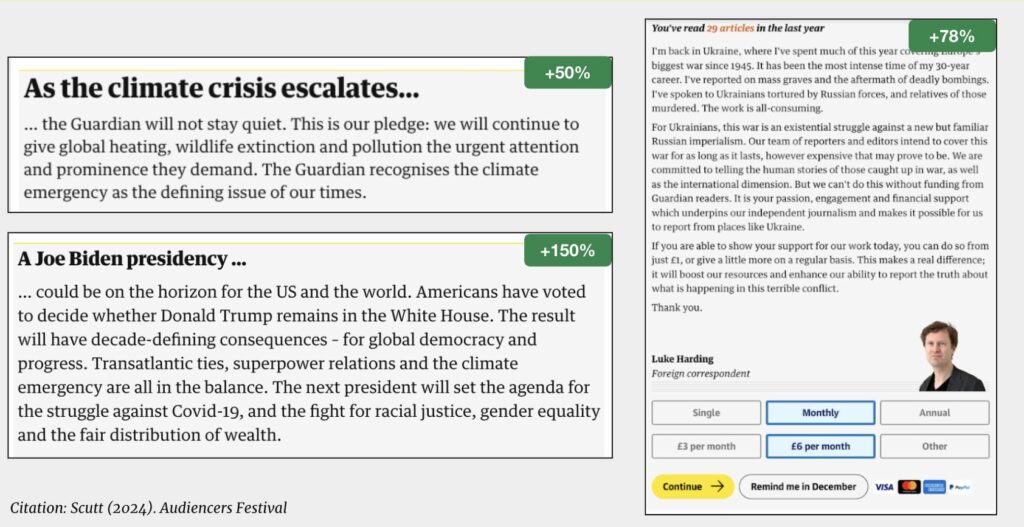
Every public-facing module is reviewed by an editorial eye to ensure the tone is a seamless extension of the journalism, not a jarring commercial break. This plays an important role in building relationships with readers.
In the US, this year-round messaging and UX testing helps to inform the team for their annual end-of-year campaign, running from early November, through Giving Tuesday and on to midnight on December 31st, the most critical window in their financial calendar.
In their most recent EOY campaign (2025), the final numbers were staggering:
- Total raised: $3.1 million in liquid cash by Dec 31st (exceeding their $3M goal).
- Lifetime Value (LTV): The estimated total value of the campaign (including recurring commitments) is $8.6 million
- Year-on-year growth: This represents an 83% increase in campaign value compared to the 2023 “standard” year (because a presidential election year – as 2024 was – is usually an outlier).
What you should steal from The Guardian’s model
- Understand reader motivations for supporting or subscribing to you
- Continuously test messaging and offers, integrating supporter motivations
- Experiment with innovative ‘asks’, like The Guardian’s article count
- Bring the reader onboard with your mission, so they really see that their support is valuable to you
Dive deeper into The Guardian’s model
- The Guardian: reader revenue growth & proposition development
- Behind The Guardian’s record-breaking US End of Year campaign
- Relaunching The Guardian app: changing reader habits means we must also evolve
2. The Kyiv Independent: humanizing the newsroom
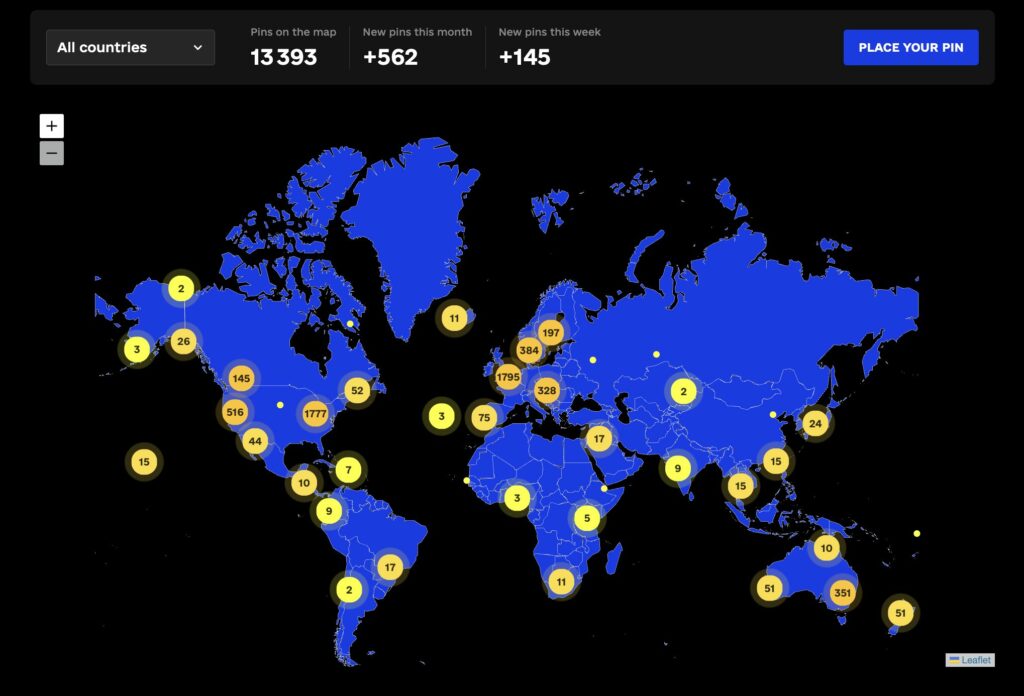
The Kyiv Independent is a young, English-language media, launched in a context of war, who has transformed from a 18-person startup into a globally recognized authority with over 27,000 paying members and 3 million monthly readers.
What’s working
The team has successfully built a mission-driven membership model with a community of supporters around a shared cause. Part of this success is thanks to building trust with their audience, something that is done between people, meaning they work hard to humanize their newsroom.
Instead of hiding behind a corporate brand, the Kyiv Independent puts its journalists at the center of its marketing:
- They don’t shy away from talking about themselves: their work, almost never say no to interviews, a lot of commentaries and opinion articles…
- Marketing communications are built around journalists and their personalities
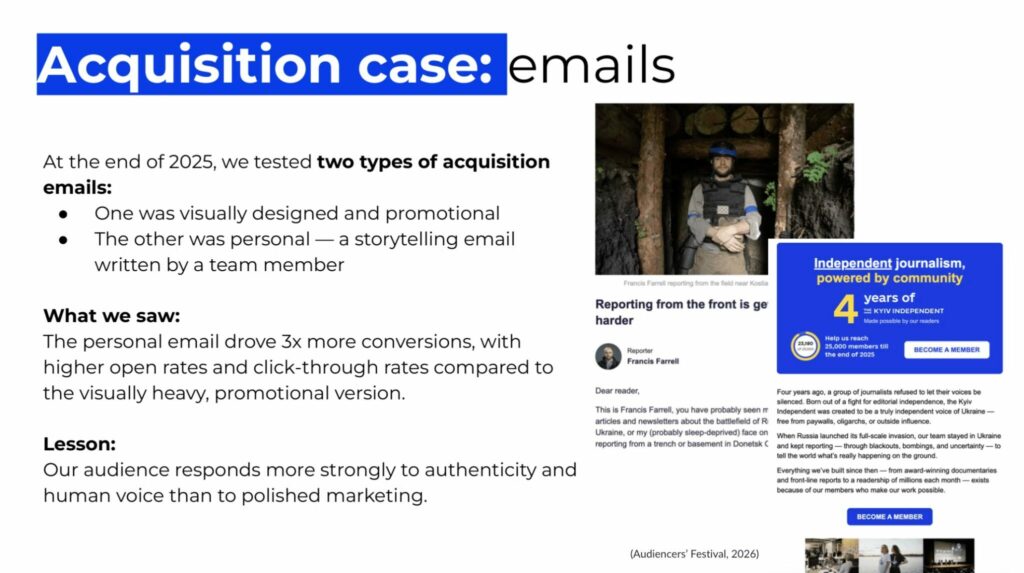
- Membership is a community, not a transaction. It’s not a key to a locked door, but a way to keep information free for everyone
- Communication is always transparent, giving a glimpse into the behind the scenes and creating visible experts through personality-led journalism
However the team doesn’t shy away from campaigns asking for support. Countdowns to reach their target, birthday campaigns, country-specific campaigns… these have been a vital part of their growth strategy, creating urgency but with purpose and identity.
What you should steal from The Kyiv Independent’s model
- Be openly transparent on your funding, editorial choices, impact…
- Translate what you stand for, and what would be lost without you in messaging
- Bring the newsroom along with you, putting them front and center in marketing campaigns
- Build channels for journalists and readers to connect, whether that be through Q&As, reader-led articles or discord communities
- Ensure supporters are valued as individuals whilst also helping them feel part of something bigger
Dive deeper into The Kyiv Independent’s model
- How The Kyiv Independent is growing membership through relationship-building
- Inside The Kyiv Independent’s membership model
3. Condé Nast: building a premium membership layer
Condé Nast already had strong brands and a mature subscription model, but wanted to build belonging amongst their most loyal audiences. The team therefore created a ‘Membership’ tier that sits above subscription.
What’s working
This new membership layer represents a fundamental pivot from serving passive recipients to active participants.
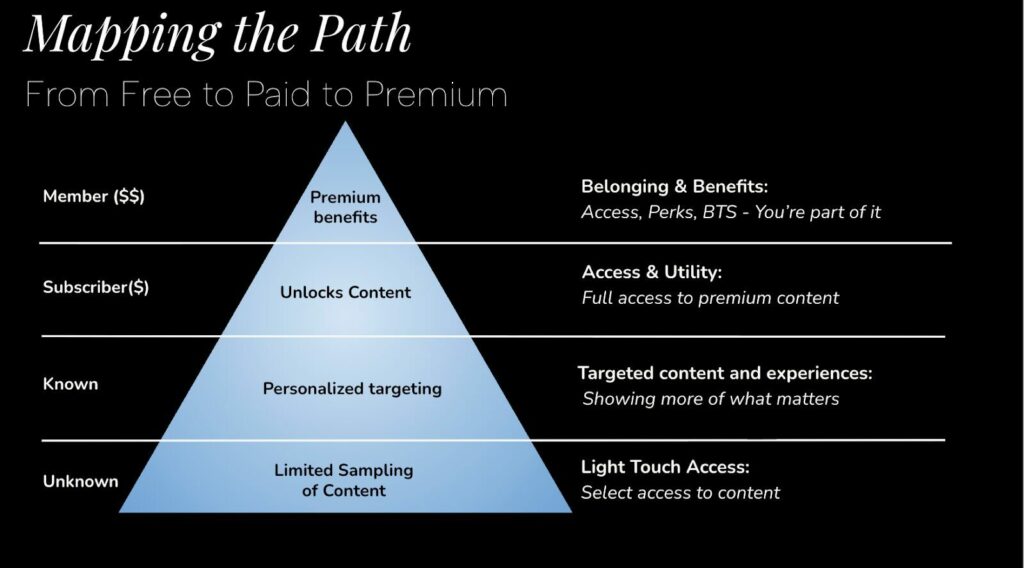
This clearly differentiates it from subscription.
Whilst their traditional subscription represents a scale/volume tier…
- Audience: Broadly focused on volume
- Value Exchange: One-way (passive recipient absorbing content)
- Goal: Volume and scale-based value – content for scale
…Membership is the niche, high-value tier
- Audience: Caters to a very specific segment of the audience.
- Value Exchange: Two-way. Members are active participants contributing data, feedback, and engagement. They expect to belong to a community.
- Goal: Engagement and high retention, not volume – content is focused on the funnel.
This focus on belonging is reflected in their metrics, measuring loyalty and engagement over volume. The most critical metrics include ARPU (Average Revenue Per User), Renewal Rate, Recency (how recently they engaged), and Feature Engagement (which features are “stickiest”).
What should you steal from Condé Nast’s strategy?
- Don’t be scared of putting membership and subscriptions alongside each other, but make sure to clearly differentiate them
- Membership means moving beyond access to an elevated experience. For high-value tiers, Condé Nast commits to a white-glove treatment. This involves building dedicated membership teams trained to provide high-touch service. At industry events, these teams are equipped with “face sheets” to know members by name and be aware of their recent professional achievements, fostering genuine, human-to-human relationships instead of brand-to-consumer transactions.
- Measure membership differently – belonging and advocacy aren’t easy to define, but they definitely go beyond traditional engagement
- Segmentation matters: one size of subscription tier doesn’t fit all, and you’re potentially leaving money (and advocates) on the table by not creating a higher tier for them
Dive deeper into Condé Nast’s model
- When is a subscriber more than a subscriber? How Condé Nast is evolving its audience strategy with membership
- How Condé Nast is growing the “happy middle” of the audience funnel
4. Daily Maverick: involving members in journalism
The South African publisher, Daily Maverick, is an outstanding example of a successful membership model.
What’s working
One of their unique strategies that’s contributing to this success is a growing database of contactable “Insiders” (Daily Maverick members), providing expertise on every topic imaginable.
“You’re part of this community – it’s more than just a subscription and we need your help. We don’t know everything and there are experts amongst you. Be a part of Daily Maverick, share your expertise.”
Via a 3-step survey in the email onboarding series, Daily Maverick asked Insiders for their name, email address, phone number, job and other areas of expertise, their ‘superpower’ as it became known internally.
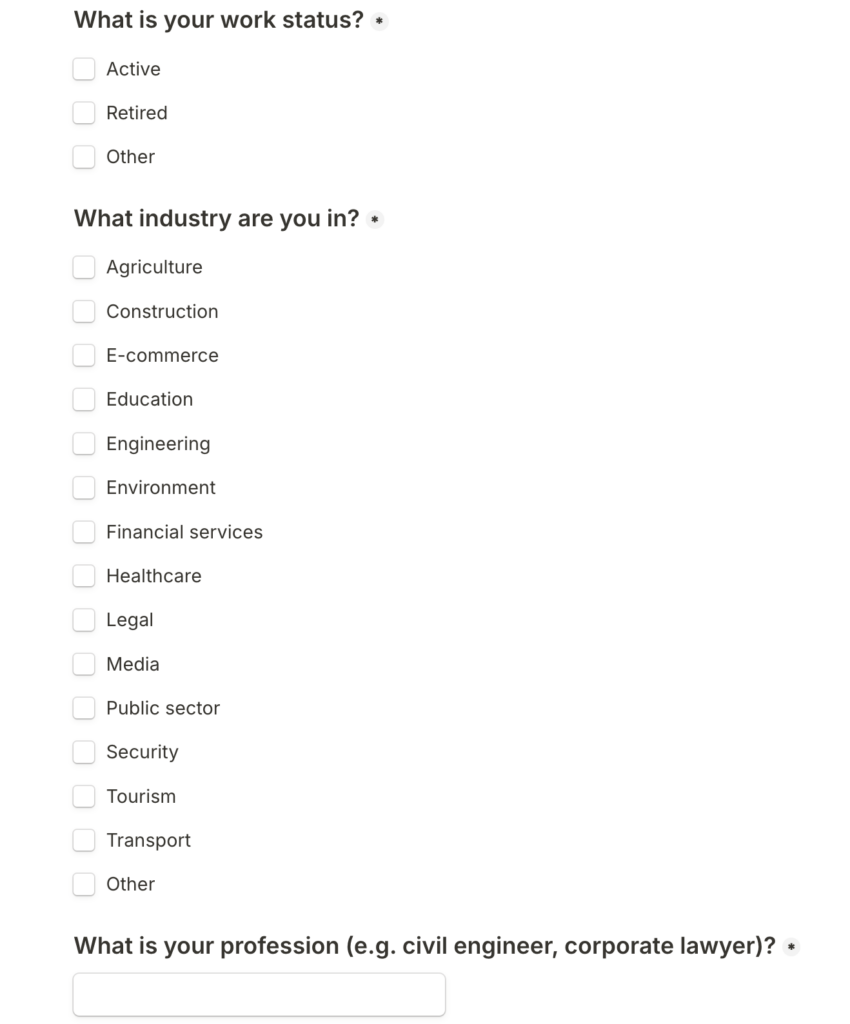
By sharing these details, an Insider could be contacted by the Daily Maverick team to participate in their journalism, provide expertise on a certain topic or even be invited to join a panel session at one of their events.
It’s an impressive way of making a member feel like they’re directly supporting and involved in your journalism.
According to the reader revenue team, every newsroom should be looking for this sense of belonging, the feeling of being proud to be “a Daily Maverick reader”. And this “superpower” strategy, where community members are put at the centre of journalism, will help achieve exactly this, ensuring Insiders are a part of Daily Maverick.
What you should steal from Daily Maverick’s model
- Give readers opportunities to be involved in your work, whether than be through this form of database, commenting, debates or call-outs. Membership becomes real when people can do something, not just support something.
- Create direct channels between readers and journalists
- Build this into your value proposition – it’s a benefit for members, not just for your membership model