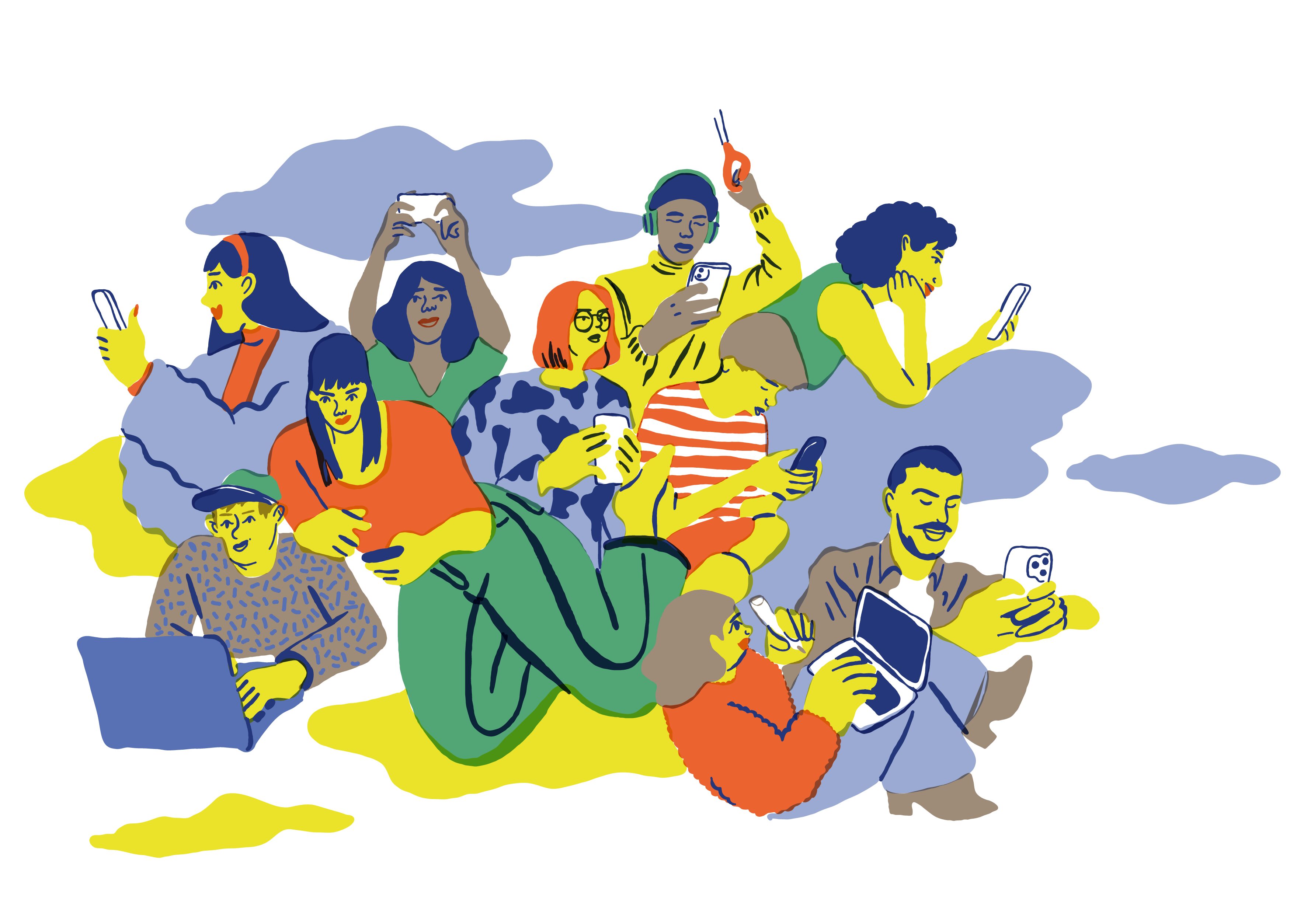
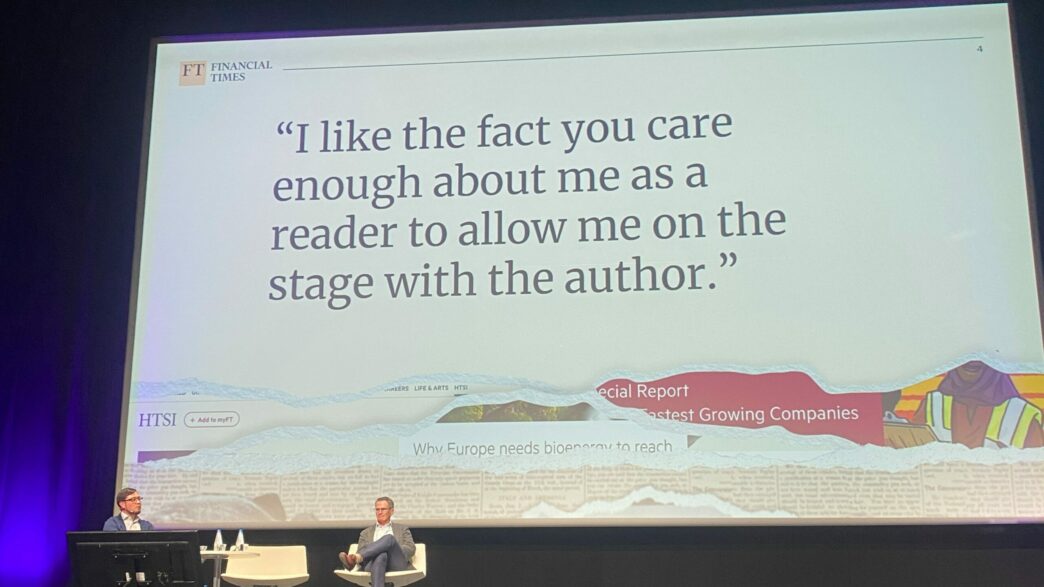
With the tsunami of content that’s coming with AI, building communities – where publishers listen, engage and interact with readers – will prove essential to survive. In an incredibly interesting session at WAN-IFRA’s World Congress in Krakow, Ryan Y. Kellett, 2025 Nieman-Berkman Klein Fellow for Journalism Innovation at Harvard, Hannah Sarney from Financial Times and Nic Dawes from THECITY share how they’re reimagining journalism as a collaborative, community-driven practice.
> The Financial Times found readers who read comments are 11 times more engaged than those who don't, and commenters 46 times. Yet half of subscribers read comments and only 4% write them

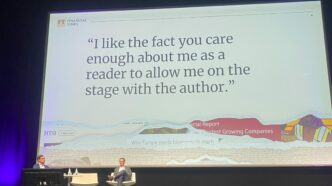
> The FT treats that gap as a design problem, not an audience problem. Its live Q&A feature sends questions privately to journalists rather than publishing them, making the entry point less intimidating

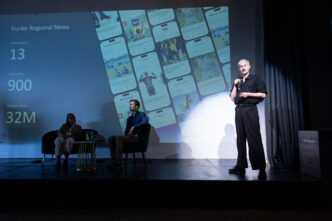
> THE CITY, a New York nonprofit, mails printed postcards carrying explanatory journalism, a QR code and reader questions. Journalists write back to thank people, closing the loop and showing readers they shaped the coverage

> The postcards earn strong evergreen traffic and sponsorship, and sidestep search and AI disruption entirely. They are not, however, a strong driver of immediate donations, and the approach still needs scale

> Ryan Kellett's advice on creator journalists is the least comfortable. Find the staff already at home in those spaces, resource them, and resist the urge to squeeze them into the house brand
The new news ecosystem
Ryan Y. Kellett, 2025 Nieman-Berkman Klein Fellow for Journalism Innovation at Harvard, discussed the current “news influencer” environment.
Specifically, people who are at the cross road of creators and journalists, using creator tactics from a journalistic point of view, building direct connections and personal brands with audiences, often through platforms like TikTok, YouTube and Instagram. This is the Opinion section of internet news – a space that has seen rapid growth and where mis-, dis- and mal-information can and does spread rapidly.
For Ryan, these news influencers have a lot of lessons in building and serving communities for media organisations. But, of course, the rise of these creators, who don’t necessarily have the same reliable news sources or training as traditional journalists, don’t come without challenges.