
When major news breaks, every publisher can report the facts. The challenge today is giving audiences a reason to stay.
For The Baltimore Banner, that meant rethinking what live coverage should look like. Rather than viewing a live blog as simply a faster way to update a story, the newsroom wanted to create an experience that felt immersive, collaborative and uniquely local, one that readers would actively return to throughout the day.
Anyone can report breaking news. The Baltimore Banner treats its live blogs as an audience product, not a faster way to publish updates

> Prepare before the event. More than 50 journalists were trained ahead of Maryland's primaries, and a dedicated editor preloads background, links and context so readers get value from their first visit

> Put one editor in charge. During the event, they prioritise updates, pin key developments, adjust headlines and decide which moments deserve their own standalone story

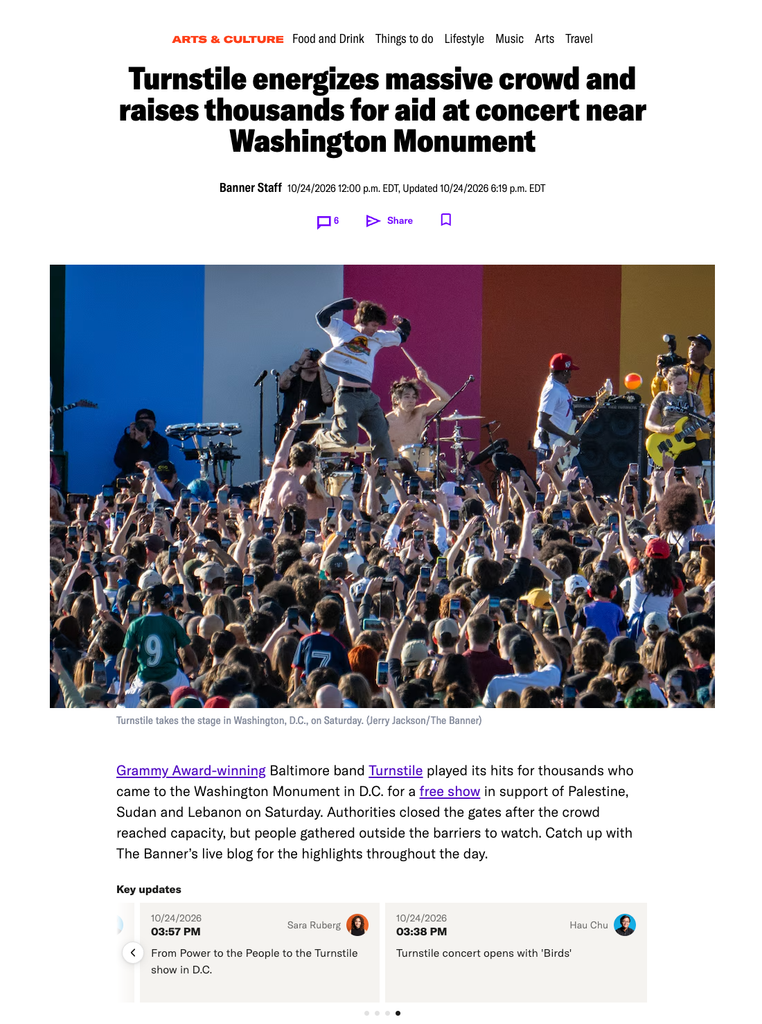
> Build an experience, not a feed. Several reporters, photos and video let readers follow the Turnstile concert from different perspectives. That blog drew 62% new visitors, and registration take rates were 2.2x higher than the rest of the site

> Connect the live blog to the wider journey. A voter guide, an election night live blog and a results page worked as one product, delivering record subscription conversions, and returning readers viewed the live blog 2.05 times each
Moving beyond the single-author live update
As The Banner’s live coverage ambitions grew, so too did the limitations of traditional workflows.
Major events increasingly required reporters, photographers and videographers to contribute simultaneously, while editors needed a simple way to coordinate coverage and publish updates quickly from the field. Just as importantly, the newsroom wanted to make live reporting easier to execute without adding operational complexity.
Rhe Banner uses Tickaroo, which lets several journalists contribute at once, publish from their phones and push updates into Arc XP.
The result was not just faster publishing, but broader, richer coverage.
“We’ve been able to activate more contributors and be able to cover more angles during events than we were previously,” explained Nicole Orders, SVP of Product at The Baltimore Banner. “That’s definitely helped us broaden our live event coverage.”
Preparation starts long before the event
Technology was only part of the equation, however. The Banner quickly learned that successful live blogs are built before the first update is ever published.
Ahead of major events, newsroom staff are trained on both the platform and the editorial workflow. During Maryland’s primary elections, more than 50 journalists received hands-on training, from logging into the tool to understanding how best to contribute text, images and video.
Every live blog also has a dedicated editor responsible for orchestrating the coverage. That editor prepares the live blog before publication by adding background reporting, links to existing stories and contextual information so readers immediately receive value when they arrive. During the event itself, they become the central coordinator, prioritising updates, pinning key developments, adjusting headlines and deciding when important moments deserve their own standalone article.
As Breaking News Editor Eileen Holliday explains, “Once everyone has their positions, like in a game, then it’s really seamless.”
Creating experiences, not simply updates
For The Baltimore Banner, successful live coverage isn’t measured by how quickly information is published. It’s about making readers feel as though they’re experiencing the event alongside the newsroom.
In October, coverage of several major Maryland events from the Power to the People Festival to President Trump’s visit to Tradepoint Atlantic to the Turnstile concert near the Washington Monument demonstrated this approach. Rather than relying solely on written updates, the live blogs combined reporting from multiple journalists with photography, video and behind-the-scenes moments to create a genuinely immersive experience. For the Power to the People Festival, readers could watch as the concert unfolded and major acts took the stage, including Bruce Springsteen, Foo Fighters, Dave Matthews and many more. At the Turnstile concert, readers without a ticket could follow commentary from different perspectives and experience the concert live as it unfolded.
“The more immersive we can make that experience,” Nicole explained, “and the more that we can meet audiences where they are, the more likely they are to keep coming back. Our live blogs reach more subscribers and more new readers than the average news story. Since August, live blogs have drawn 2x – 5x the site share of organic search traffic. Visitors to the Turnstile live blog were 62% new audience, and we saw registration take rates at 2.2x higher than the rest of our site, and 3.4x higher than the live blog average. We’re truly excited about the new audience we are reaching and the engagement momentum that we have built.”
Building audience value beyond the live moment
The Banner has also discovered that the most successful live blogs rarely stand alone.
For Maryland’s primary elections in June, the newsroom combined its election night live blog with a voter guide published in advance and a dedicated election results experience on polling day. Rather than treating each as separate products, they became complementary parts of one editorial journey.
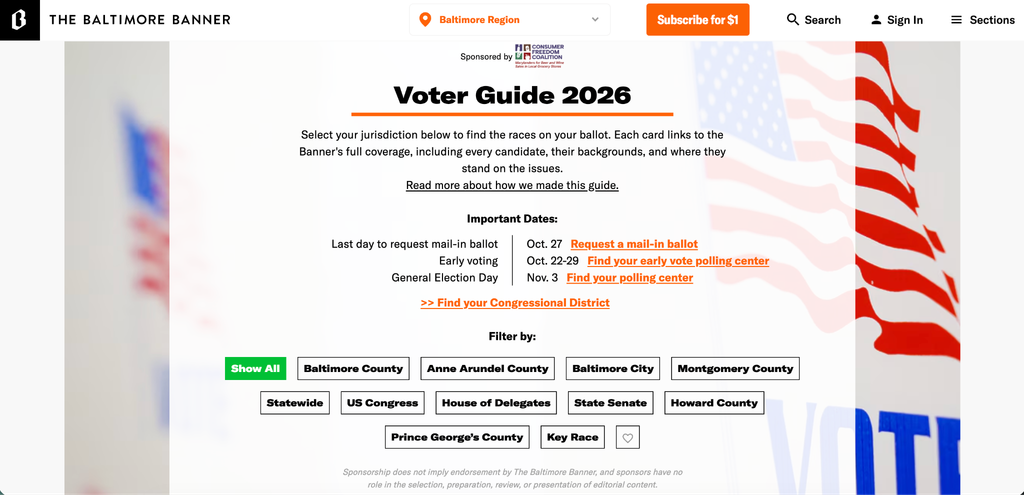
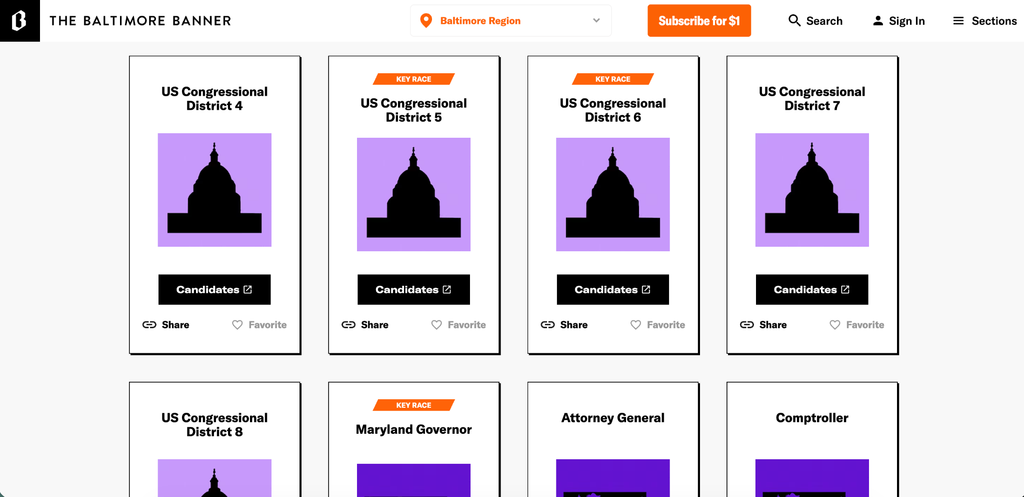
That approach delivered record subscription conversions from election coverage with over 380,000 pageviews while also producing record page views for the live blog itself. Users spent almost 6 minutes on the voter guide, and the election night live blog drove more return visits than any other in 2026–returning readers viewed it 2.05 times each.
Throughout every event, the editorial team continually links readers to deeper reporting, creating standalone stories from significant updates and driving audiences into the wider journalism surrounding the story. This recirculation strategy extends the value of live coverage well beyond the event itself.
The Banner’s live blog has been effective at driving traffic from Google search and currently sits behind a dynamic paywall. When used in combination with other content, it can also be a driver of subscriber conversions. Based on audience engagement growth this year–October has set another record in terms of live blog pageviews at The Banner. They are actively exploring additional ways to experiment with it as a source of advertising revenue.
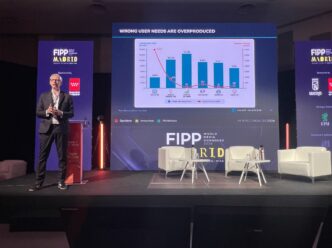
> Benchmarking: how to turn an election into subscribers
Lessons for publishers
The Baltimore Banner’s experience illustrates that successful live blogs depend on far more than publishing technology. They require thoughtful planning, clear editorial ownership, collaboration across departments and a commitment to creating distinctive journalism that audiences cannot easily find elsewhere.
Most importantly, they demonstrate a shift in thinking. At a time when breaking news reaches audiences almost instantly through countless channels, publishers no longer compete simply on speed. Anyone can report the latest developments. What distinguishes trusted journalism is the experience and expertise to explain what those developments mean, add context, connect the dots and help audiences make sense of events as they happen. That’s what keeps readers coming back.
By combining collaborative newsroom workflows with immersive storytelling and strong local journalism, The Baltimore Banner has transformed live blogs from a publishing format into a strategic audience product – one that strengthens engagement, supports subscriptions and keeps readers coming back long after the biggest moments have passed.