
You're reading The Audiencers' newsletter #98 sent out on September 16th, 2026. To receive future newsletters straight to your inbox every two weeks, sign up here.
In today’s newsletter:
- Do you have enough recurring value for subscriptions? The questions to ask yourself
- Immediate Media: growing to 1.2 million paid subscribers without cannibalising their core print business
- Paywall trends spotted whilst benchmarking: countdowns, signalling free content & personalised text
- 🔗 Links to add to your reading list
Do you have enough recurring value for subscriptions?
Before locking content or products behind a paywall, every digital publisher should stop and ask whether you actually have enough recurring value for a recurring charge…
> Start with frequency: what do people already come back for? Then use registration as the halfway test, because if your most engaged readers won’t create an account, a payment step will not fare better. It’s a strategy used by Broadsheet Media to prove assumptions
> Build the paid tier around a behaviour that already exists, giving people materially more of it. If the pricing page needs six unrelated benefits to feel substantial, no single benefit is strong enough
> Be deliberate about what stays free. A story that brings in thousands of first-time visitors has a different job from a specialist product consumed repeatedly by known users, and should be treated differently
> Forecast before you keep building. Apply realistic registration, free-to-paid and retention rates to your own segments, and if the range falls short of what the business needs, stop before the pricing conversation starts
A brilliant article by Jonathan Gupta-Buckley on Audiencers
How do you grow to 1.2 million paid subscribers without cannibalising your core print business?
Instead of forcing print readers onto digital, UK publisher Immediate Media (Good Food, Radio Times, HistoryExtra) built standalone digital utility products that target completely new audiences.
> Print subscribers were never migrated. Immediate built and bought digital products for people who had never bought a magazine: the Good Food app is at just under 200,000 from a 2022 standing start, Nutracheck at 580,000 since its 2023 acquisition
> Paywalled articles only sell if the content is genuinely must-read, and evergreen lifestyle content isn’t. Good Food charges for utility instead: cook mode, planning tools, and app takeovers exclusive to subscribers
> There’s no single Immediate paywall. Stickiness, response rates and build costs differ by brand, so each gets its own model, and Immediate only builds where it leads the category
> A separate commercial team holds the budget and funds products against fixed thresholds: 40-55% trial-to-paid conversion, 65-80% at the next renewal, monthly retention above 90%, and 3:1 lifetime value to acquisition cost within two years
Paywall trends: spotted whilst benchmarking
Personalising based on the article being read
Like The Cut and SCMP where the text on the paywall includes the title of the article that I was trying to access.
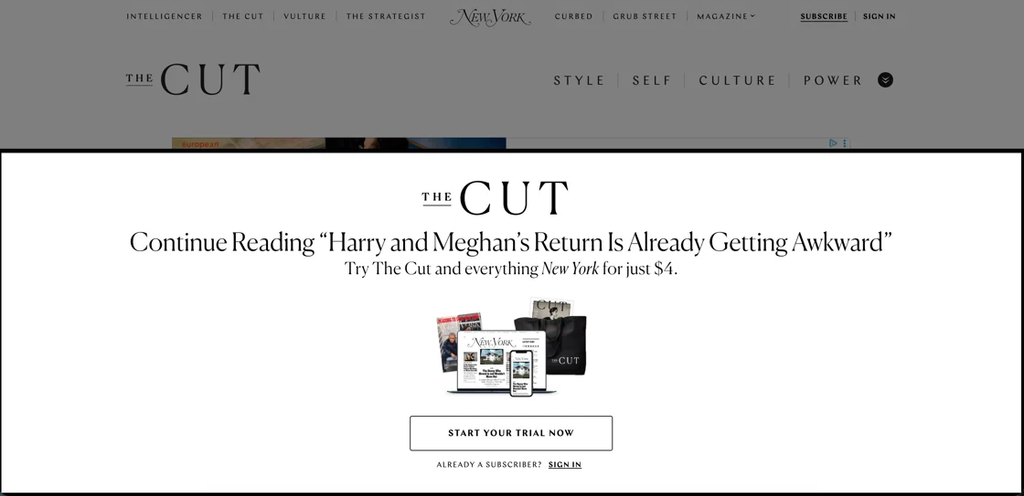
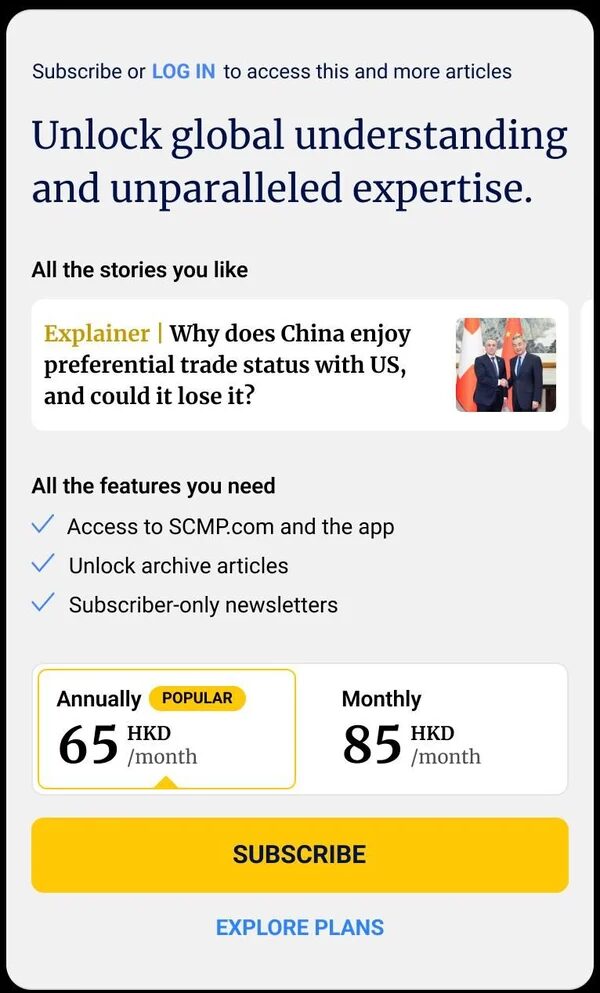
Highlighting content available for free
Like The Verge and NYT who have a dedicated section of their website for this content, and The Independent who tagged a newsletter on the homepage to signal a free month trial.
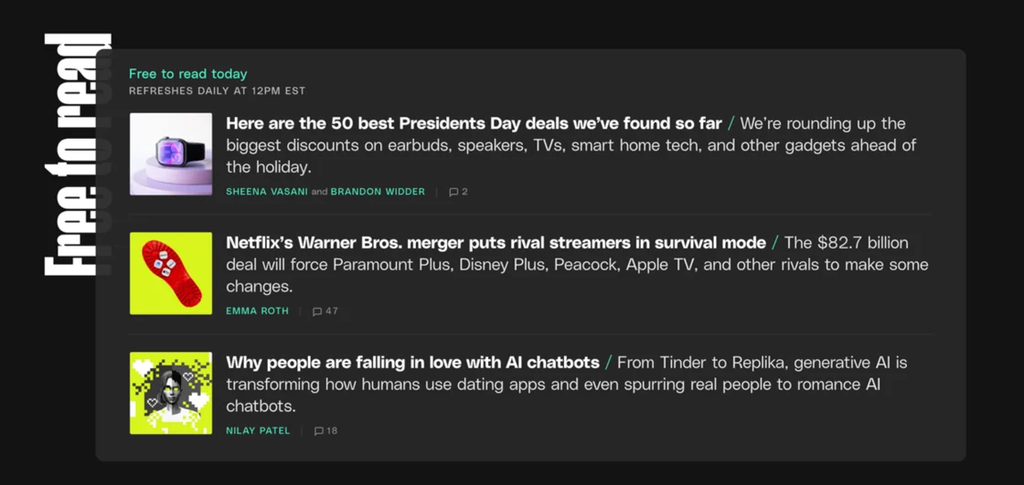
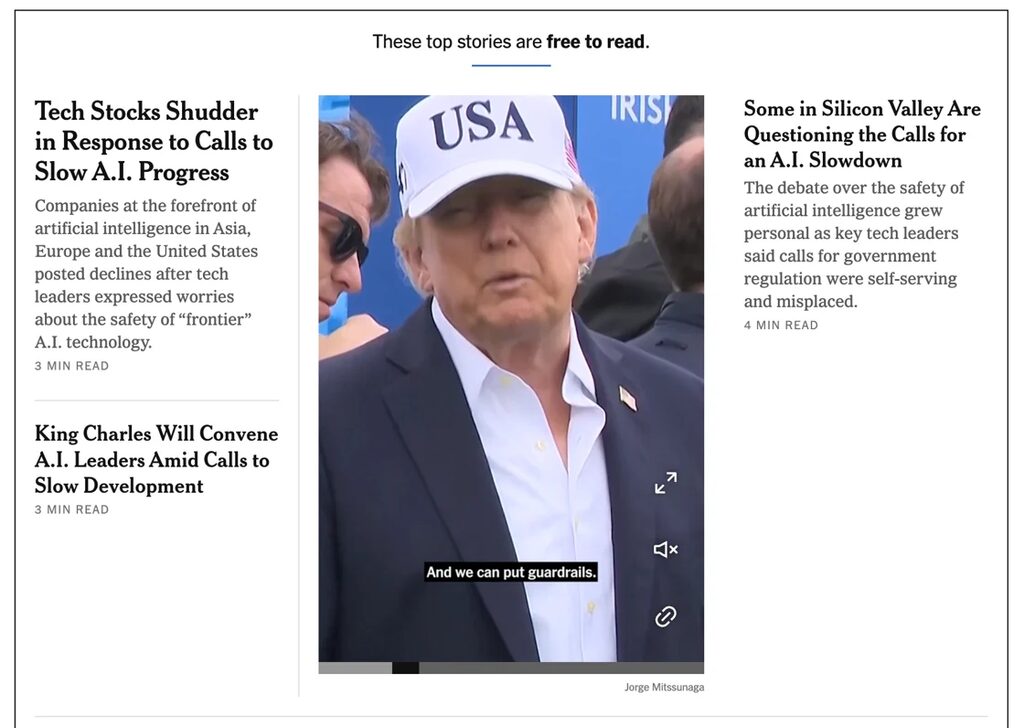
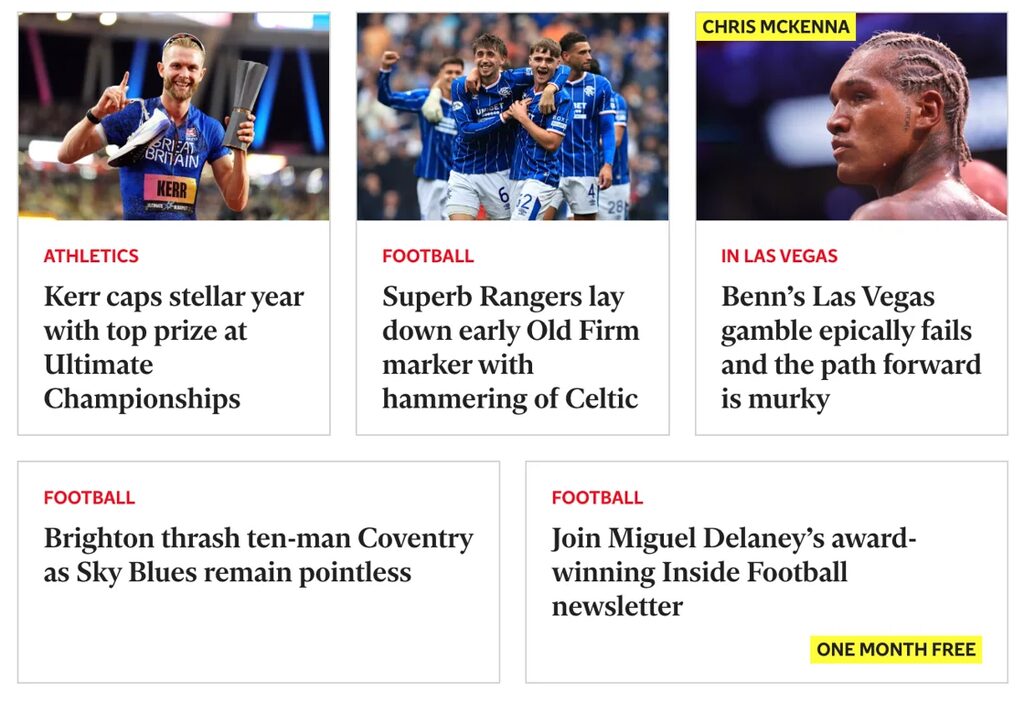
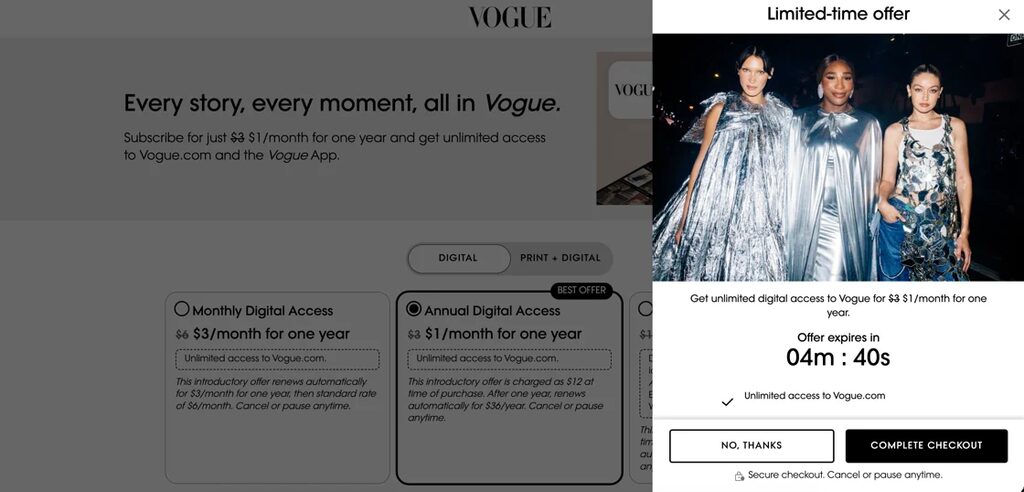
Countdowns, everywhere!
The number of countdowns that I’ve seen… But I really like Vogue’s version, with a side banner displaying after X amount of time on the subs offer page.
Links to add to your reading list
⭐ Discount for WAN-IFRA Digital Media Europe in London, 22-23 Oct
Digital Media Europe invites product & revenue professionals to come together this 22-23rd October in London, this year focusing on reader revenue strategies on day one, and revenue diversification on day two.
Audiencers benefit from a 20% discount using the code: Audiencers20DME
- The User Ladder: Why Knowing More About Your Readers is Your Newsletter’s Next Unfair Advantage
- Lessons from music industry: how to monetise super users
- How newsrooms can learn from failure without failing in public
See you in 2 weeks for our next newsletter,
Madeleine