Max Moné is co-founder and CEO at Poool, the dynamic journey builder to boost subscription conversion, engagement, and loyalty.

This is the last episode in a 6-part series where I share what I learned from studying 100 subscription business models across 15+ industries.
> Episode one: 100 subscription business, 15 industries, 1 moodboard
> Episode two: What’s free, what’s paid, and why it’s really an engagement trade-off
> Episode three: Why the best subscription businesses don’t try to sell on day 1
> Episode four: The subscription pricing page we've all built at least once
> Episode five: The first 100 days: why most of what we call retention is really just micro-conversions (again)
Why we’re ending with this
Over the past five episodes, we’ve gone deep into how the best subscription businesses do things to scale, using examples from the NYT, Spotify, Figma, L’Équipe, Jeune Afrique, and many others.
This last episode is different. It’s the one where we show you the weird stuff from our moodboard. The examples that made us smile, made us think, and sometimes made us wonder “wait, people actually subscribe to that?”
The answer is yes. People subscribe to pretty much anything and everything. And no matter how bizarre the product, the same principles from the previous five episodes keep showing up.
So here’s a tour of some of our favorites, organized not by industry but by what makes each one compelling for the person who’s paying. Because at the end of the day, that’s what it always comes back to: why would someone pay for this, every month, and not cancel?
“I feel good about buying this”: when the value prop is identity
Who Gives a Crap: £45.5M in UK revenue alone in 2024, over 1M subscribers globally, and over £10M donated to charities since launch. For toilet paper.
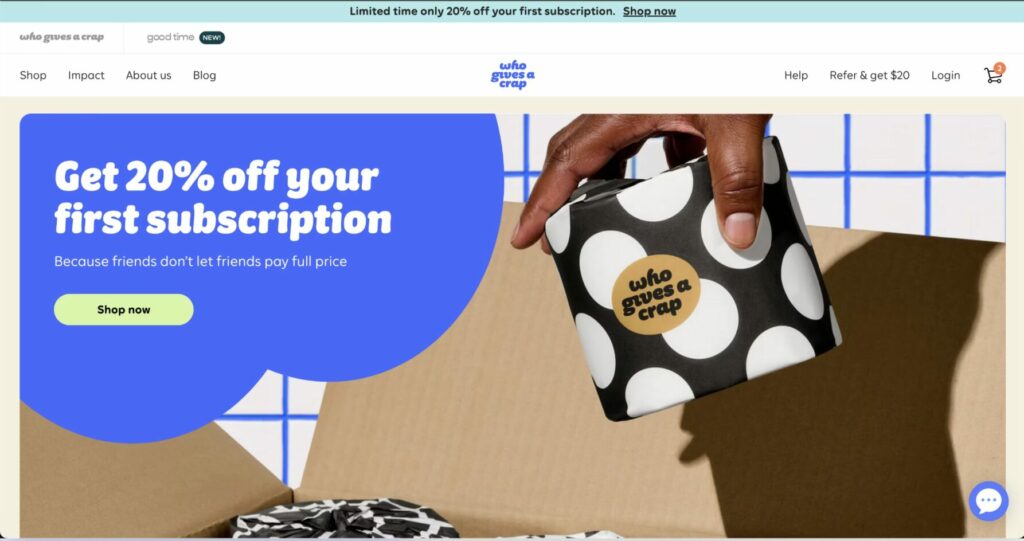
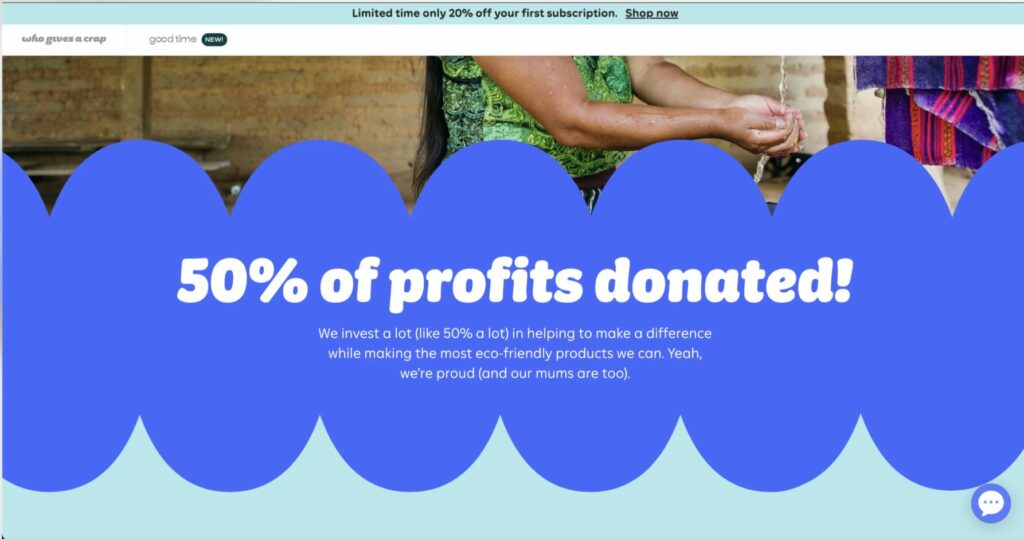
It’s toilet paper. There’s not much you can do to make toilet paper exciting. But they donate 50% of profits to sanitation charities, they have a brand identity that genuinely makes you smile, and their packaging is designed to be posted on Instagram (which, for a product you use in the bathroom, is quite the branding achievement).
The result: you don’t just buy Who Gives a Crap, you become a Who Gives a Crap customer and participate in something that is bigger than you (or at least you think you do). It’s an identity statement. You probably mention it at dinner parties (I mean, the name alone guarantees that). And that emotional connection is what makes people stay, because cancelling doesn’t just mean switching brands, it means giving up a small part of how you see yourself.
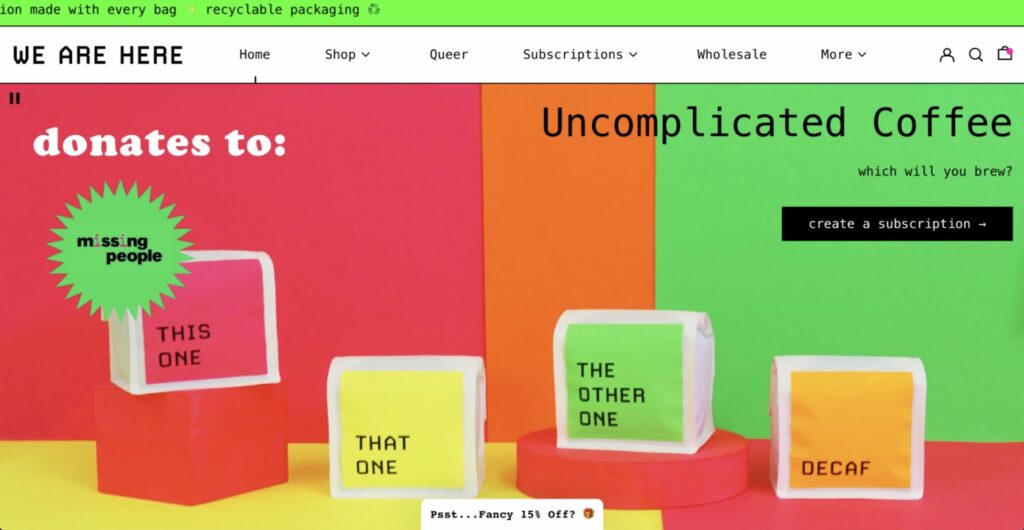
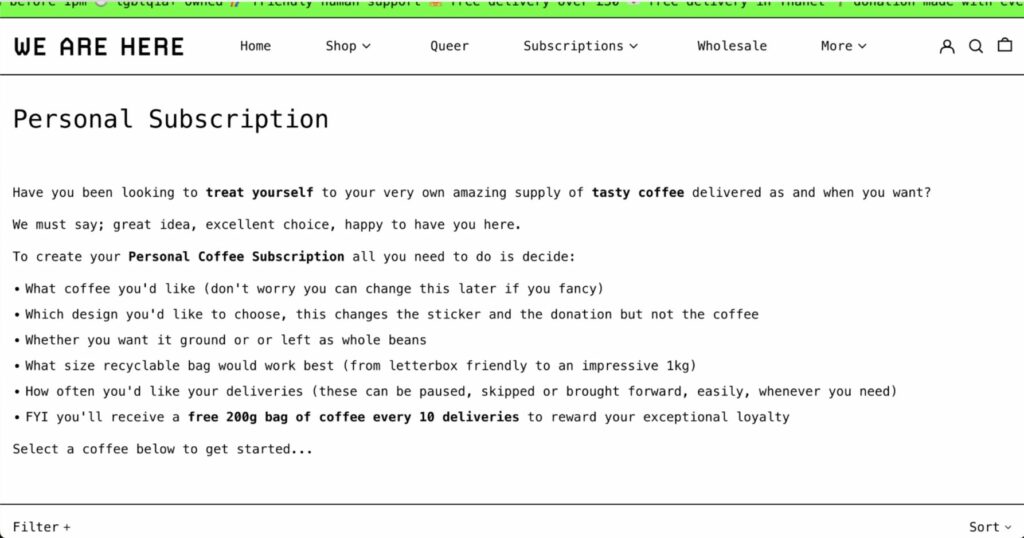
We Are Here does something similar with coffee: personalized beans, your choice of grind and delivery frequency, a custom sticker on the bag, and a donation to a different charity depending on which sticker you choose. It’s a coffee subscription that makes you feel like you’re expressing your personality every time you order.
This raises two questions that I think are worth thinking about for media:
First, are there publishers with a brand identity/voice so strong that people subscribe for what it represents, not just for the content? I can think of a few, and they’re not necessarily the biggest ones. Mediabask (you probably don’t know them) is an interesting example: people bought subscriptions before the website even launched, because of what the brand stands for and the community around it.
Second, could this become a model for media? Buy a subscription, and X% of the price (or profits) goes to a charity. Maybe subscribers even get to vote each month on which cause receives the donation. Green Got, a French bank, does exactly this with banking. Why not with a news subscription?
“I don’t have to think about it anymore”: when the value prop is friction removal
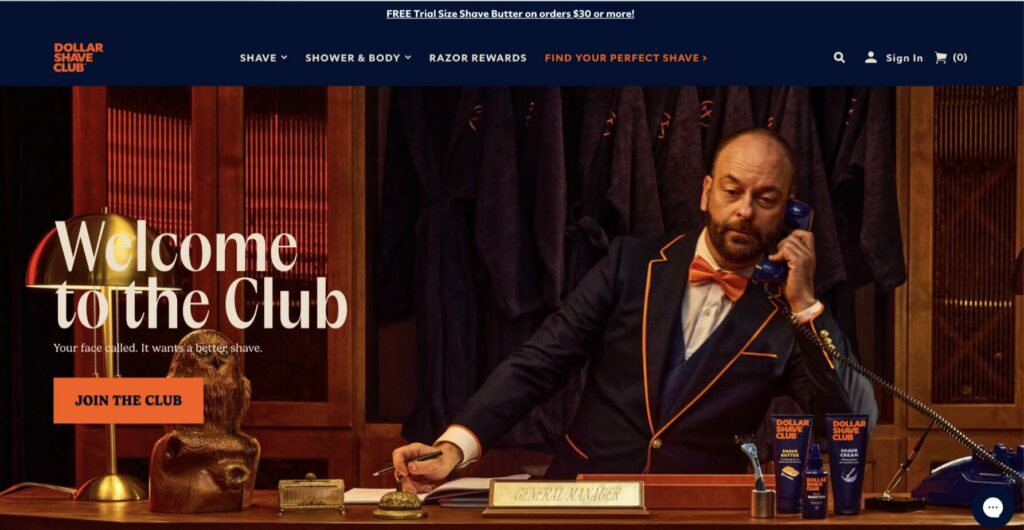
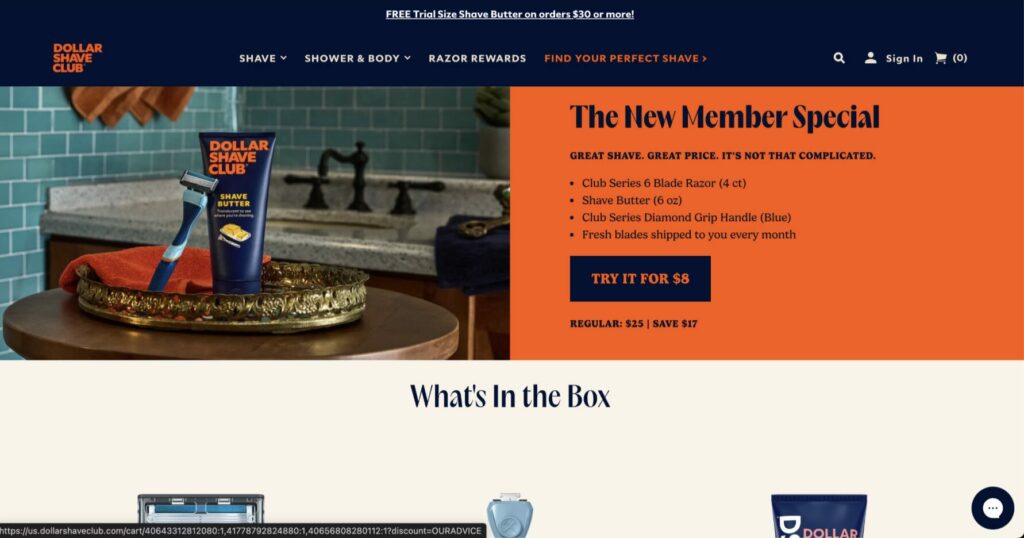
Dollar Shave Club doesn’t really sell razors, it sells the fact that you never have to think about buying razors again. And HelloFresh doesn’t sell meals, it sells the fact that you don’t have to decide what to eat or go grocery shopping.
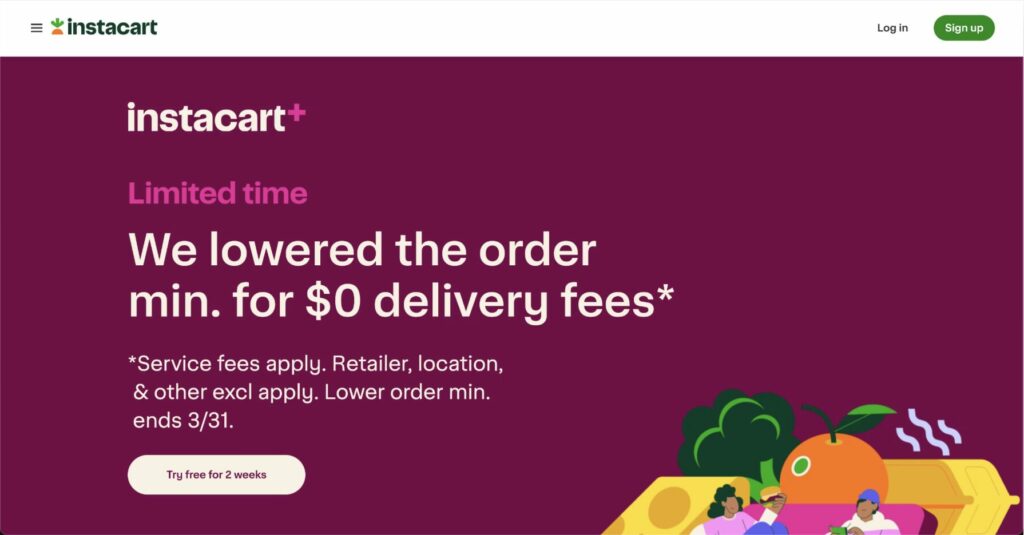
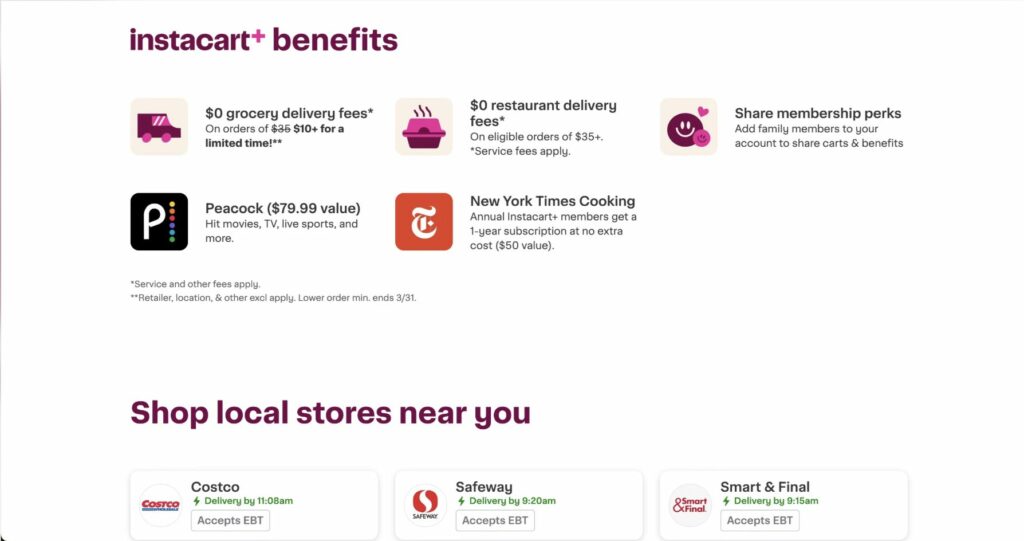
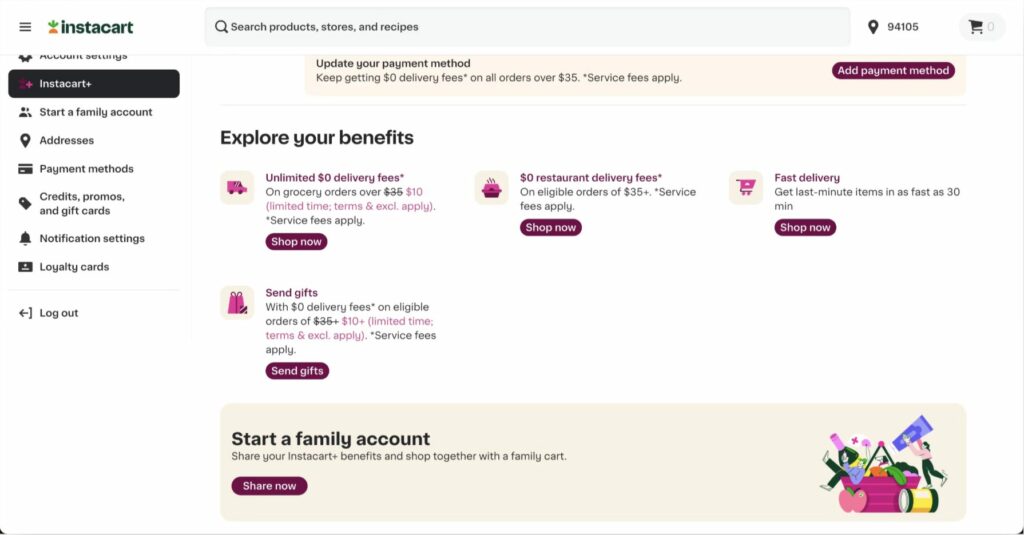
What surprised me when building the moodboard is that even companies you wouldn’t expect are doing really sophisticated subscription work. Walmart+ and Instacart+ are grocery delivery services, but they have trials adapted to usage patterns, bundles to create lock-in effects (Walmart+ with Paramount+ and Burger King; Instacart+ with Peacock and NYT Cooking for annual members), and upsell paths that follow the exact same micro-conversion logic we described in episodes 3 through 5.
For media, the question this raises is not really about content. It’s about the experience around the content. What does a media subscription simplify in someone’s daily routine? The friction of hitting paywalls? The 30 minutes of browsing to find something worth reading? A curated morning briefing that replaces scanning 5 different sources? I think we could try build our subscription product that way as medias: what does our subscription remove from someone’s day?
“I discover things I’d never find on my own”: when the value prop is surprise
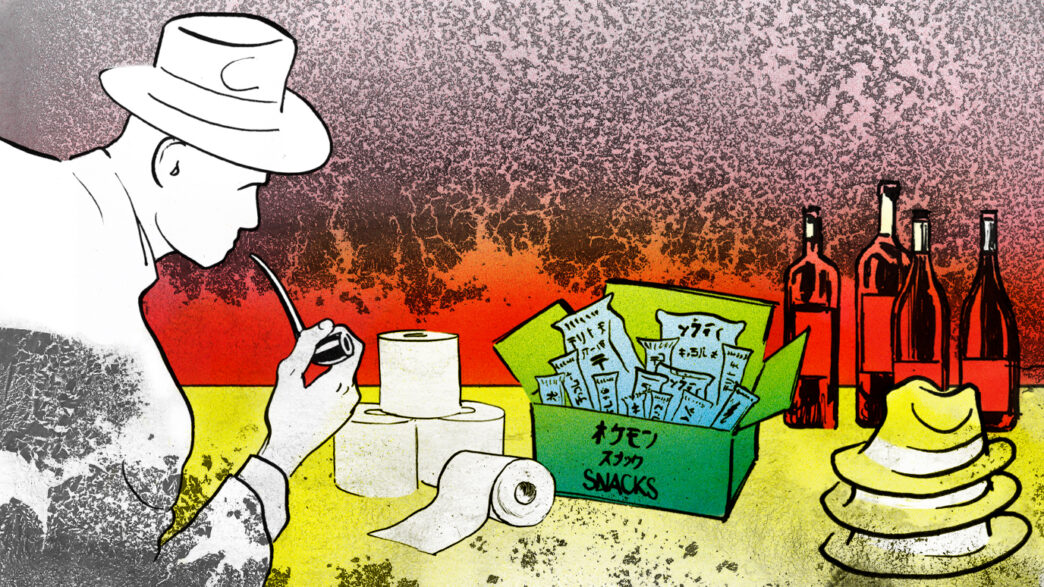
TokyoTreat sends you Japanese snacks, Kube sends you books, Le Petit Ballon sends you wine. Different products, same model: the value proposition is discovery itself.
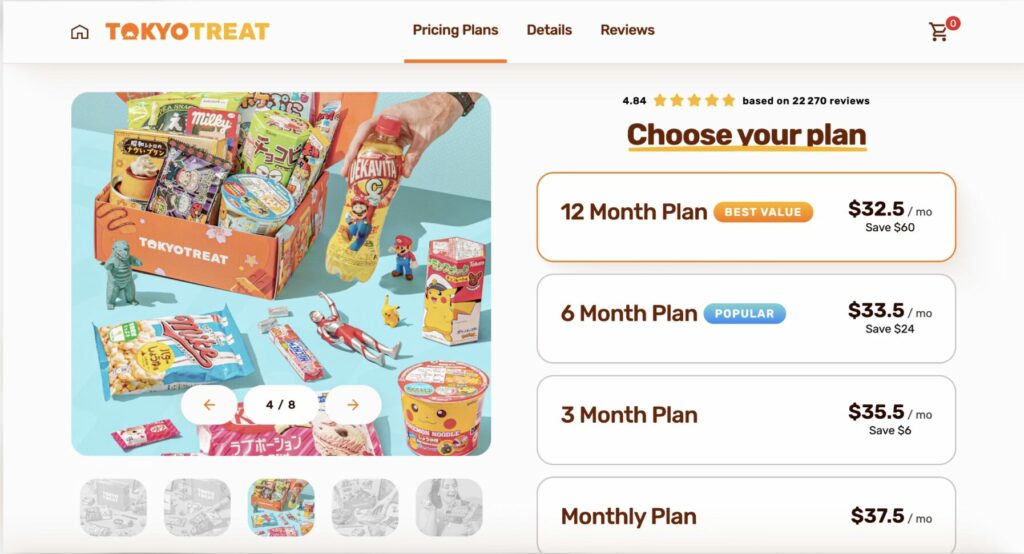
You receive things you would never have chosen on your own, and the engagement comes from the anticipation and trust you build with the curator over time. The lock-in isn’t in the product (you could order Japanese snacks online anytime), it’s in the relationship with someone who knows your taste.
FindMyPast takes discovery in a completely different direction: you pay for access to billions of genealogy records, and every answer you find generates new questions. You discover a great-grandmother, now you want to know her parents. You find a marriage certificate, now you want the newspaper from that week. The product creates its own engagement loop naturally.
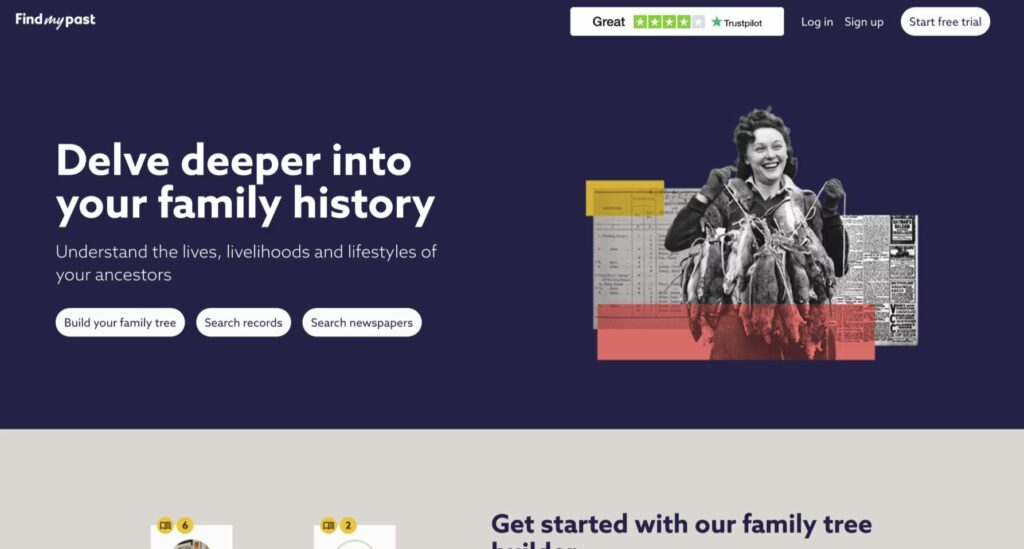
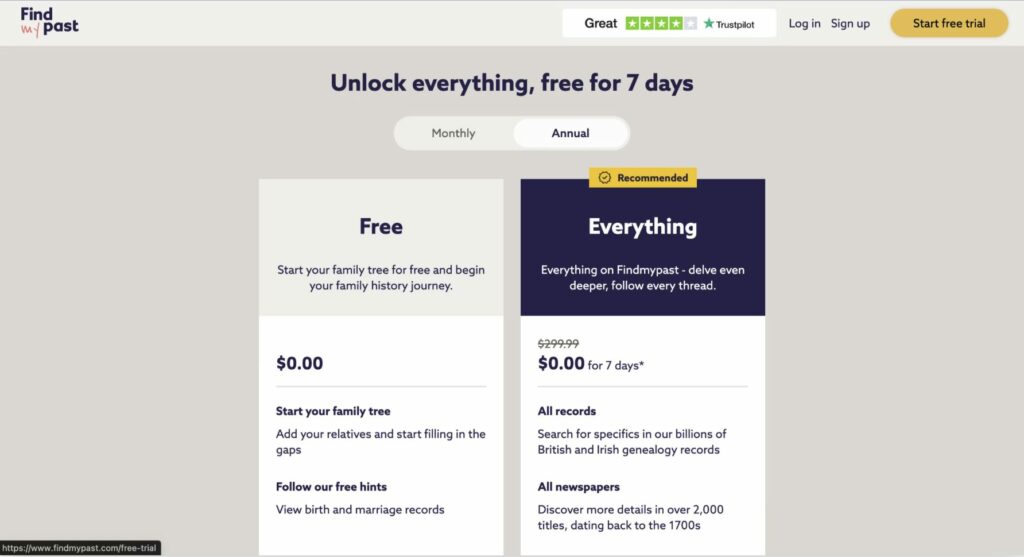
It’s the same mechanism that makes Spotify’s Discover Weekly so sticky, but applied to family history and physical goods. For publishers with decades of archives, there’s something genuinely worth exploring here: how do you turn a static archive into a discovery-driven experience that keeps subscribers curious and engaged?
“This product gets smarter the more I use it”: when the value prop is personalization over time
Strava is an app for runners and cyclists that tracks your activities, shows your routes, and lets you compare with friends. The more you run, the more valuable the app becomes, because your entire history, your segments, your social connections, your training patterns are all there. Switching to another app means starting from zero.
It’s the same personalization lock-in as Spotify (episodes 4 and 5), applied to physical activity.
Claude (the one helping me write this series, full transparency) and ChatGPT push this even further with a model that barely existed a few years ago: a base subscription with tiers, plus usage-based pricing on top. The more you use the product, the more you pay, but also the more value you get.
Two things about AI subscriptions that I think are worth watching closely for media:
First, they all let you try the product for free almost immediately, because the product is powerful enough that the fastest path to conversion is to just let you use it (everything starts with engagement). Which is exactly the registration-as-the-first-micro-conversion logic we described in episode 3.
Second, hybrid pricing (fixed subscription tier + usage-based layer) is interesting as a concept. Imagine a media subscription with a base access fee, and a premium layer that adapts based on how much you consume or which features you use. It doesn’t really exist yet in media (as far as I know), but given how fast AI pricing models are spreading to other industries, it might not be far off.
Yes, even cars
SIXT+: a car subscription from $679/month. You pick a car category, a location, a pickup date. You subscribe monthly, cancel anytime, maintenance and roadside assistance included. You can even switch to a different vehicle or pause through the app.
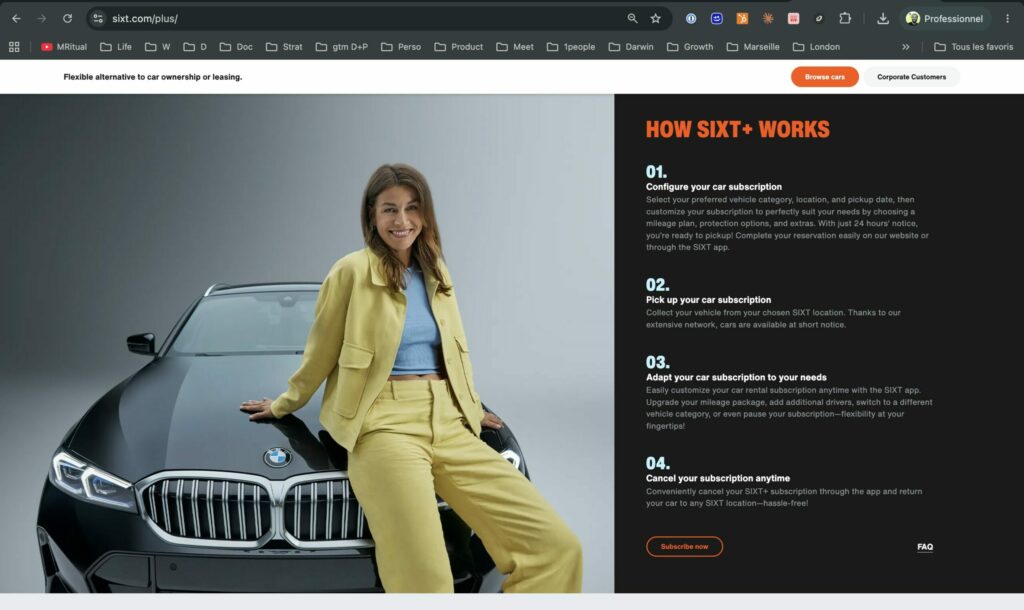
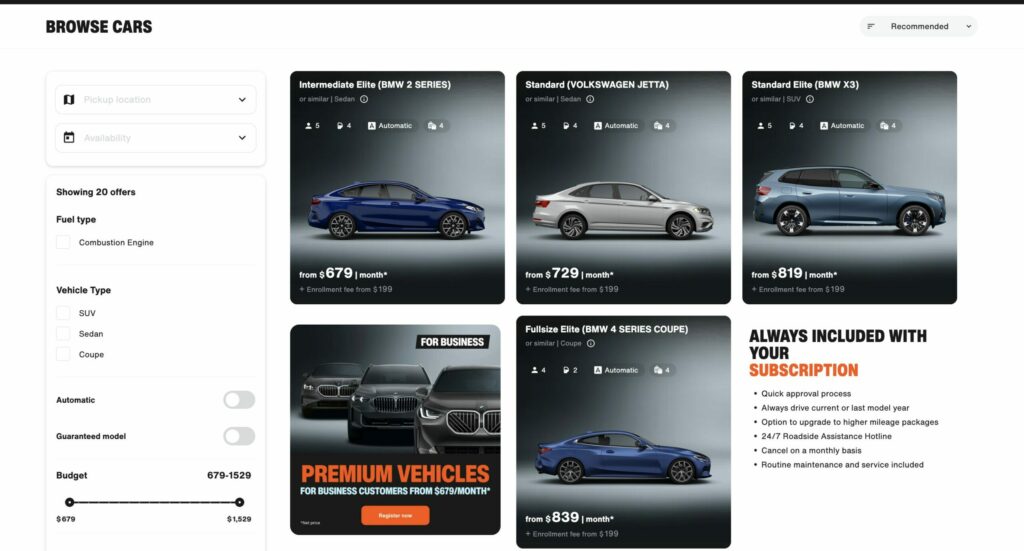
I’m mentioning this one not because the model applies directly to media, but because it shows just how far the subscription model has spread. And even here, the same principles show up: try before you commit (24-hour notice), one clear offer per category, flexibility to upgrade or downgrade over time (micro-conversions, again), and the value proposition is friction removal (no ownership, no maintenance, cancel anytime).
What the toilet paper confirmed (love this title)
Over six episodes, I’ve talked about the NYT’s dynamic meter, Figma’s onboarding, L’Équipe’s first-100-days data, Jeune Afrique’s dynamic pricing, Spotify’s personalization, and now toilet paper and car subscriptions.
If I had to summarize everything in one statement, it would be this:
The subscription businesses that will thrive (media included) are the ones that combine a strong brand identity, a clear value proposition, and an obsession with user engagement with an infinite loop of micro-conversions.
This is true for media. It’s true for every subscription business. Because the moment you charge someone on a recurring basis, you need to keep earning their attention every single month. There’s no way around it.
Engagement drives everything: better conversion rates, better retention, higher lifetime value, better advertising revenue. We saw it in the data from the best performers, and … we saw it in toilet paper, and coffee, and cars (it’s the last episode, let me enjoy it)!
And maybe the most practical takeaway from the entire moodboard: some of the best ideas for your subscription business will come from industries that have nothing to do with yours. A coffee company, a fitness app, a toilet paper brand. The principles are the same. The execution is just different enough to spark something new.
What we’re building to make all of this possible
If you’ve read all six episodes (thank you, seriously), you’ve probably noticed that orchestrating all of these micro-conversions, from anonymous visitor to loyal subscriber, across every touchpoint, is complex work. Registration flows, onboarding sequences, dynamic paywalls, personalized offers, engagement actions, anti-churn triggers, cancellation optimization. Across web, app, and print.
That’s exactly why we’re building the solution with Poool and Darwin CX: the end-to-end subscription platform to master each of these micro-conversions, at every step of the journey. Everything we’ve described in this series, from episode 1 to episode 6, is what our platform is designed to help publishers execute.
If that resonates, or if you’re currently thinking about your subscription platform, let’s talk.
If you have questions, disagreements, or examples that contradict what we saw, we’re genuinely interested. This has been a conversation, not a lecture.
And if you’d like to see the full analysis, you can download the complete Subscription Masterclass presentation (Link here).
PS: yes that’s actually a “book a meeting link” 😂