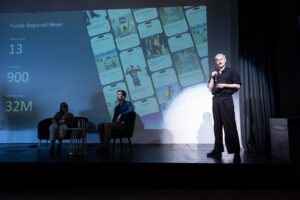
Over the course of four sessions, more than 50 journalists and editors from Clarín explored how to apply artificial intelligence in their workflows, experimenting with new formats and designing practical solutions for daily use, with sessions built around 3 frameworks:
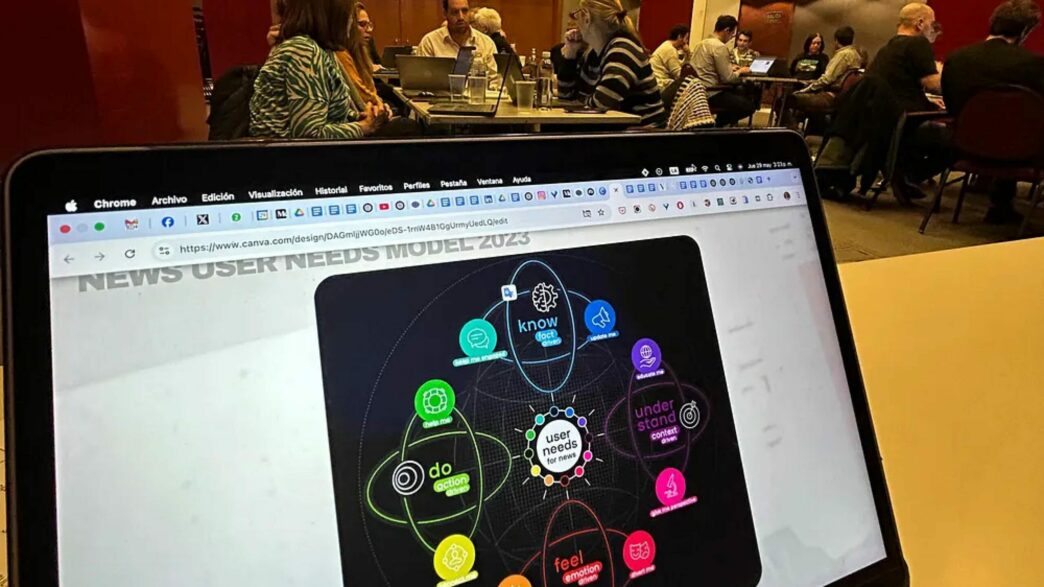
- A user-needs-driven approach
- An analysis of shifting consumption habits
- A strategic approach to AI as a cross-functional technology
> Clarín ran four AI workshop sessions with over 50 journalists, split by editorial dynamic rather than seniority. Breaking news needs speed, culture needs context, and the useful tools differ accordingly

> Use cases were found by asking three questions rather than by surveying tools: where are we losing time, what is repetitive but necessary, and what could be automated without giving up control

> The prototypes are unglamorous and specific: an assistant that turns submitted story plans into a structured daily agenda, and a tool that reads monthly vehicle registration PDFs and drafts the article

> The one with the widest application scans a draft in progress for names, dates and entities, then surfaces Clarín's own previously published pieces on the same story, giving fragmented coverage its continuity back

> Alvaro Liuzzi's closing point is the one to keep. The prototypes weren't finished products and weren't meant to be. As he puts it, "the answers aren't in the models. They're in the journalism"
At a time when artificial intelligence (AI) is becoming part of the production processes in many newsrooms, one fundamental question becomes increasingly urgent: how can this technology be integrated in a way that strengthens the connection between journalism, formats, and audiences?
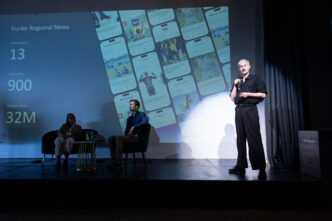
In the first half of 2025, I led a workshop inside the newsroom of Clarín, one of Argentina’s leading media outlets. The goal was to explore new narrative formats for news and move forward with the practical integration of AI into daily editorial workflows. Across four in-person sessions, I worked with 50 journalists and editors from multiple sections — Breaking News, Politics, Economy, Culture, Entertainment, and specialized verticals — in a hands-on learning environment that blended theory, experimentation, and real production.
From the beginning, I made it clear that the purpose of the workshop wasn’t simply to teach tools. Instead, it was about rethinking how we organize, present, and even automate information through a journalistic lens, with AI acting as a supportive partner in that process. To guide the sessions, I structured the learning around three key conceptual frameworks: