As media organizations shift from volume-based traffic to value-based reader revenue models, the challenge often lies in bridging the gap between an anonymous click and a loyal subscriber. Sadly, this isn’t like Married at First Sight… this relationship won’t be built in a day, nor with a paywall alone. It takes time, energy and a variety of formats to develop.
Milenio, one of Mexico’s most influential news groups, has well understood this. Their answer wasn’t found in aggressive paywall tactics, but in cultivating a highly engaged community within its own ecosystem.
We spoke with Chief Reader Revenue Officer Juan Manuel Nava Madrazo about how, by strategically pivoting toward conversational tools and gamified loyalty, Milenio has successfully tripled user time-on-site and established a sustainable pipeline for its January 2026 paywall launch.
> Milenio, one of Mexico's biggest news groups, ran its comments on Facebook for years. It leaked audience to a platform it didn't own, forced a double login, and let toxicity drive off the readers it most wanted

> Bringing comments in-house with single sign-on, hybrid AI and human moderation, and avatars drawn from Mexican culture changed the economics. Commenters average 4 minutes 40 seconds on site against 1 minute 48 for everyone else

> Comments became an acquisition channel rather than a cost centre. They now drive 10-11% of daily registrations, roughly 2,000 to 2,500 people a month, making commenting the fourth-largest registration source

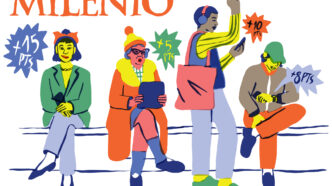
> Puntos Milenio rewards reading, commenting and sharing with points redeemable at Starbucks and Amazon, and Milenio Plus subscribers earn double, turning the loyalty scheme into a reason to subscribe

> Milenio scores commenters as "Lovers" worth 70 points against 10 for a casual reader. Half of all registered users now qualify, and that is the pool its January 2026 paywall launched into
Moving beyond “social media friction”