Max Moné is co-founder and CEO at Poool, the dynamic journey builder to boost subscription conversion, engagement, and loyalty.

This is the third in a 6-part series where I share what I learned from studying 100 subscription business models across 15+ industries.
If you haven't read the first one yet, start here.
And Episode 2, focused on product and media, is here.
What we expected to find vs. what we actually found
When we started building our subscription moodboard, we structured our analysis around 4 areas: product, conversion, offers & pricing, and retention.
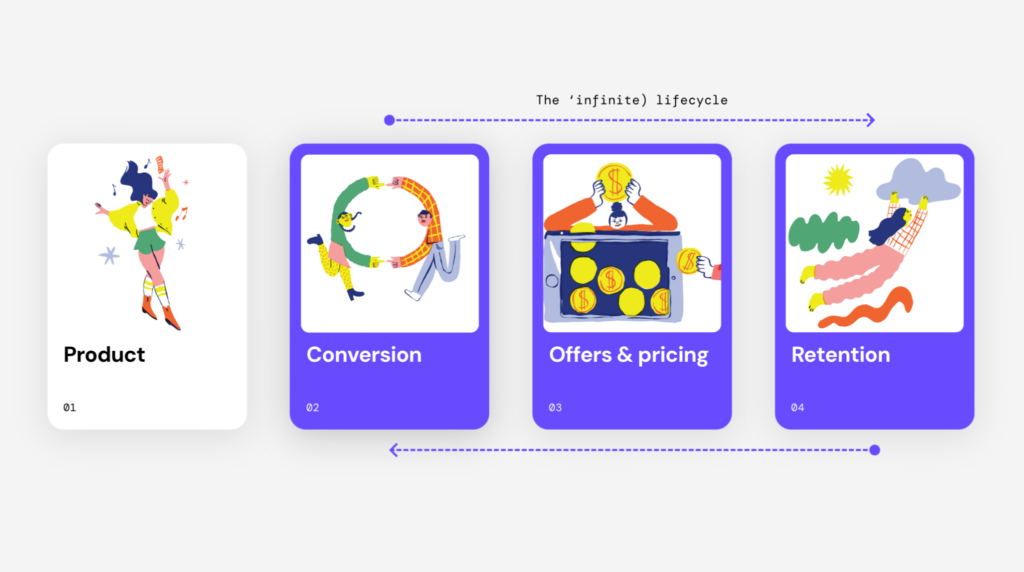
Episode 2 covered the product (and was focused solely on media brands).
This one covers conversion, and we’re back to cross-industry.
For the past 10 years, whether in e-commerce, Saas or media, I’ve seen the same customer journey model everywhere. Attract → convert → retain.
A linear, finite sequence. And that’s what we expected to analyze in this series: how the best subscription businesses optimize the 3 steps in this sequence.
What we found was fundamentally different.
When we looked at the NYT, Figma, Miro, Calm, Masterclass (and 95 others), we noticed that conversion almost never happens in one step. It happens through micro-conversions, each with its own objective. And more importantly, even conversion itself seems secondary. The real priority for those companies is to create value for their user as a first goal. To build engagement. To make the product feel indispensable before asking for money.
We saw this pattern everywhere.
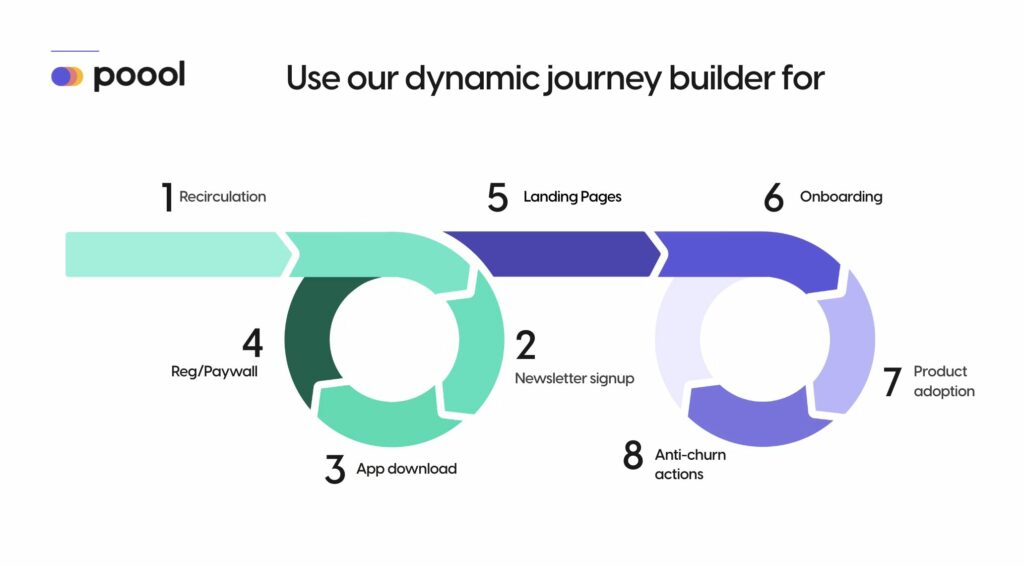
The journey we observed doesn’t look like a line. It looks like a loop.
Attract → Convert at level 0 (ex: account) → Onboarding & discovery → Engage → Convert at level 1 (trial or cheap offer) → Onboarding & discovery → Engage deeper → Convert at level 2 (full price, bundle)… and it keeps going.
One step, one job. And for some, it’s almost a religion
The critical principle behind this model: each step has one single goal.
Not two. Not three. One.
Let me show you what that looks like in practice.
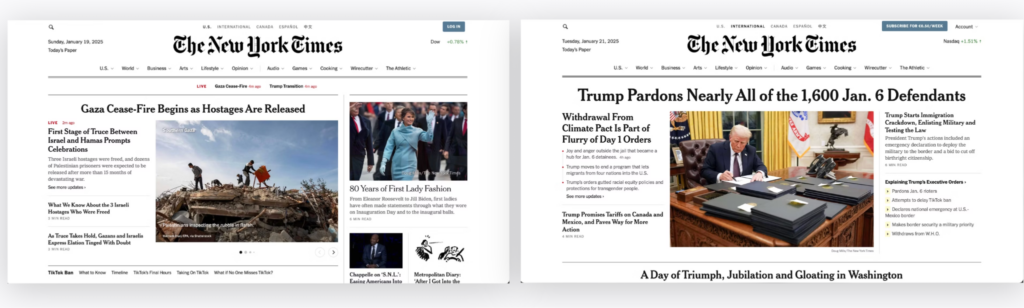
Look at the homepage of the New York Times (I mean, when I looked at it when building the moodboard). Arguably the biggest digital newspaper in the world. The only action button in the top right corner says “LOG IN.” Not “Subscribe.” Not “Try for $1/week.” Log in. Because at this stage, the goal is registration, not subscription.
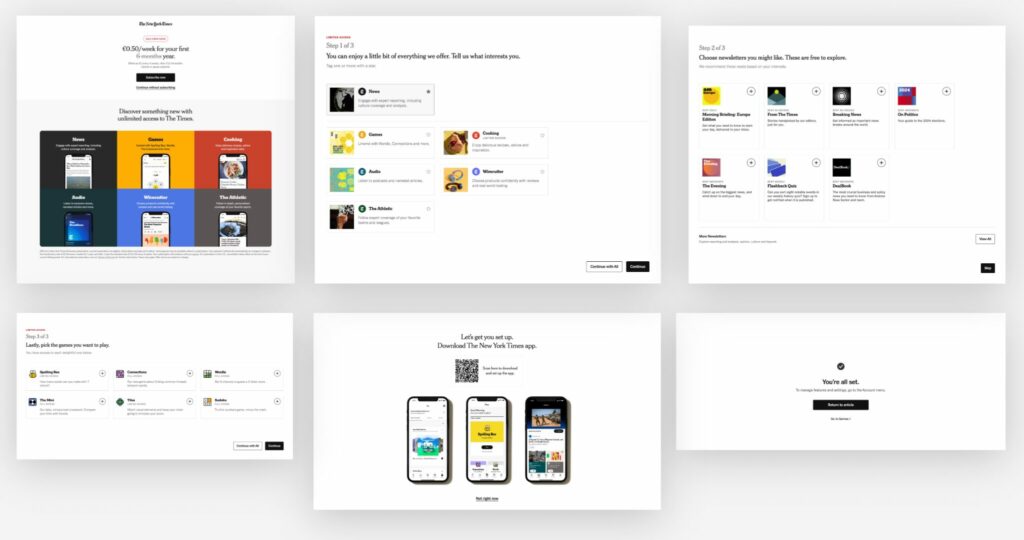
And this discipline is consistent everywhere. In their registration flow: zero* subscription CTAs. In their onboarding: they ask which areas of The Times you want to explore, they recommend newsletters, they push the app download. Zero subscription CTA. The only goal is to understand who you are and start personalizing.
This sounds obvious when you write it down. But look at most media registration walls: they almost always push a subscription offer at the same time. Most onboarding flows try to sell and educate simultaneously. Same for the homepage, if you spend more than 20 seconds there you will probably be asked to do 5 different things in one session (register, signup for newsletter, subscribe, …)
*if you look closely, you’ll find spot where you can see subscription CTA, but you have to look closely
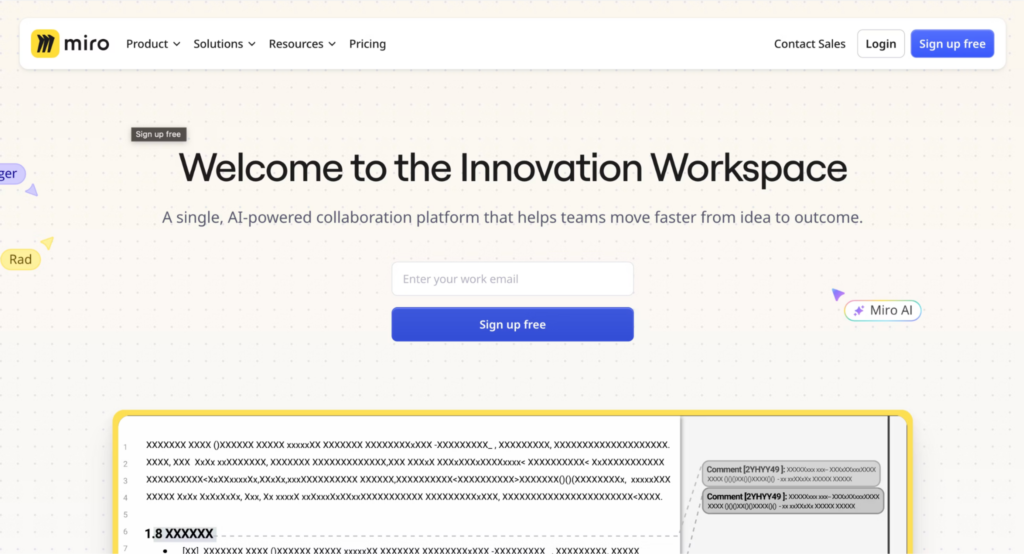
Not just media: Figma, Miro, Calm, Masterclass do the same
This isn’t a media-only pattern. That’s the whole point of this episode.
Figma: $12.5B company.
Homepage: “Sign up for free.” You click, you give your email.
Then the onboarding starts: What’s your name? How do you plan to use Figma? What do you do for work? Where do you work? Have you used Figma before? What do you want to make first?
Six questions before you see anything about pricing. And when the plan page finally appears, it includes a free Starter option, so even the pricing step isn’t a hard sell.
Look at the wording: “Which plan would you like”?
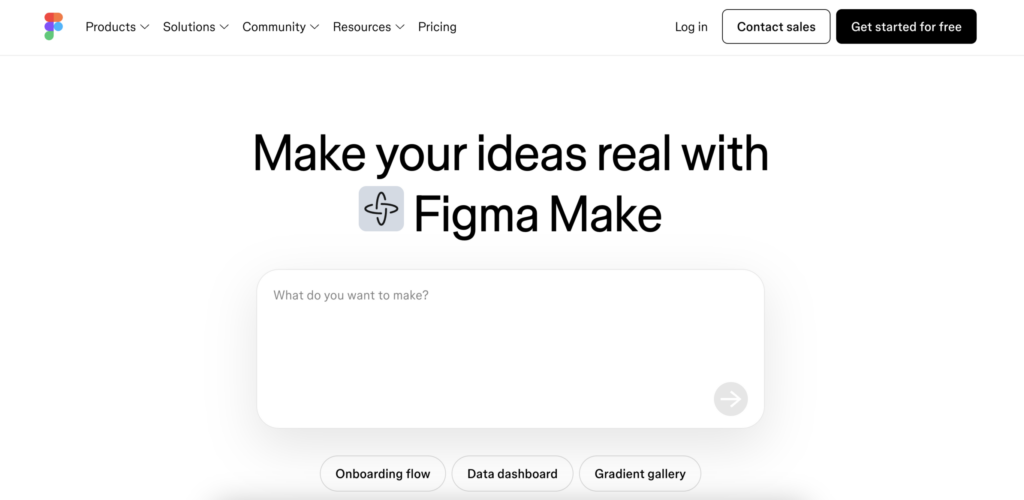
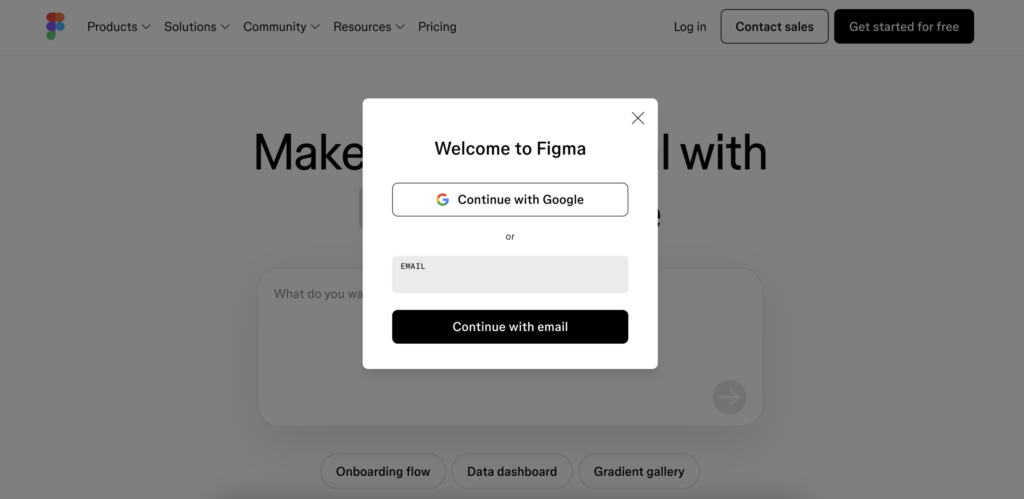
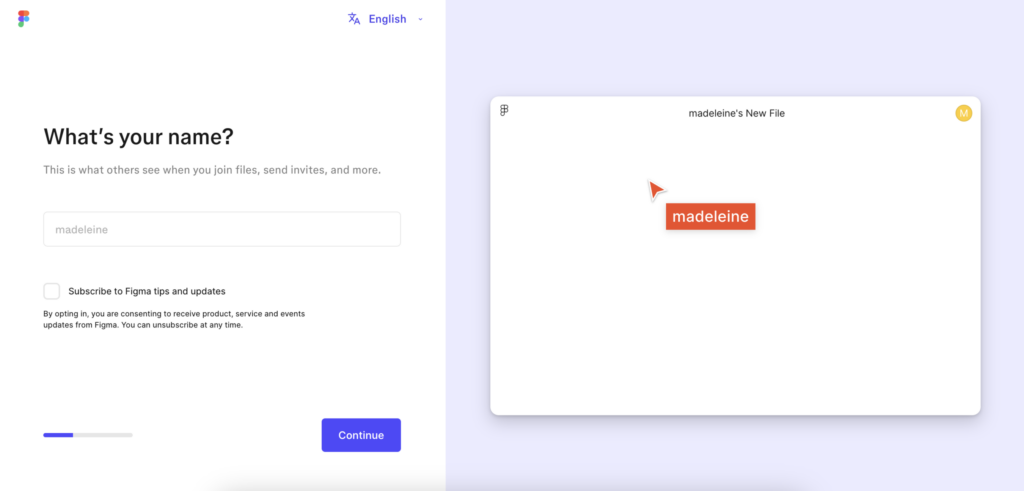
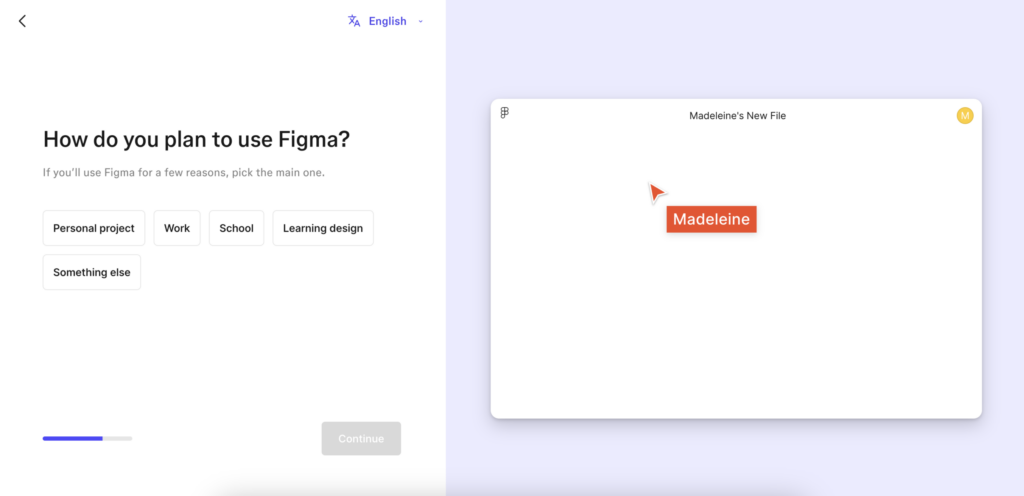
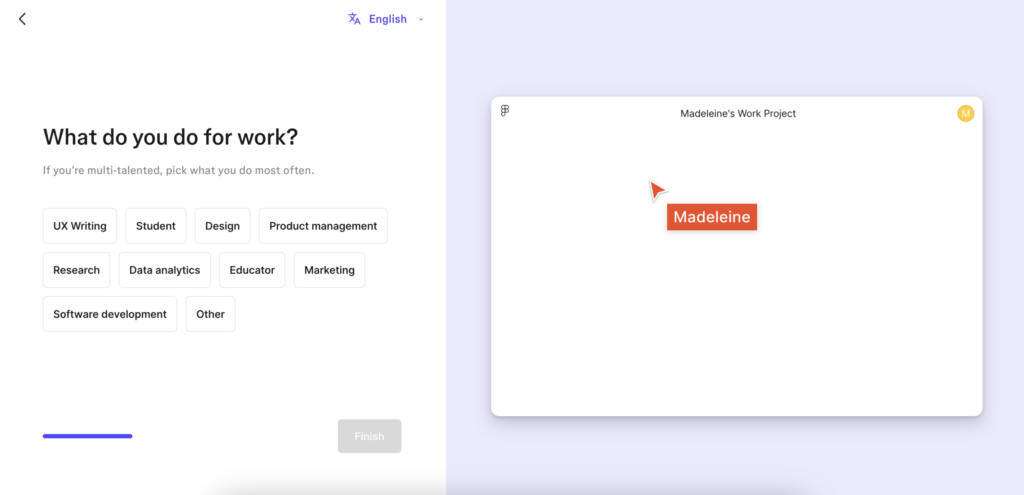
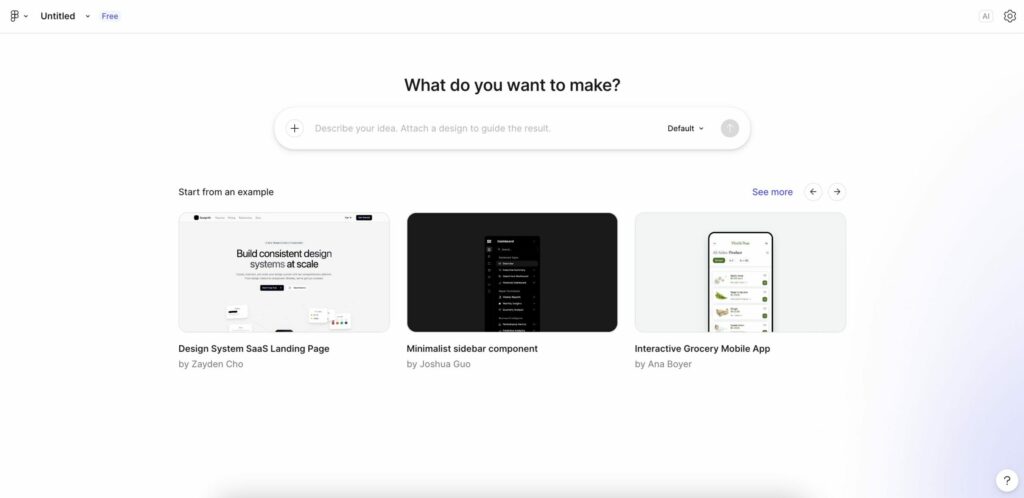
(Image: Figma onboarding flow – from homepage to personalized workspace, 8 steps)
What Figma adds to the picture (that the NYT doesn’t show as clearly) is that the product itself adapts in real-time during the onboarding. On the right side of the screen, you see your workspace evolving with each answer. It’s not a form. It’s a first preview of the value you’re about to get (to make you stay onboard).
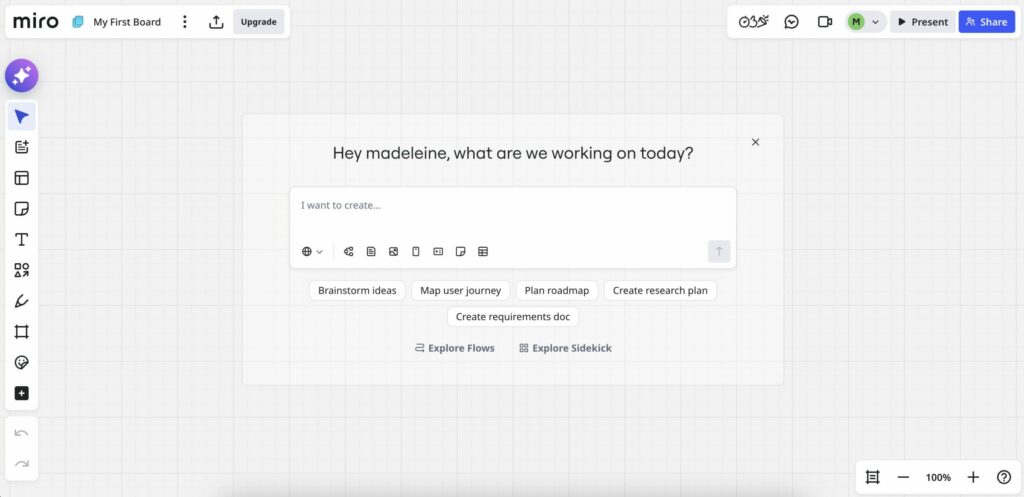
Miro: 600M€+ in revenue
They push this even further on the personalization side.
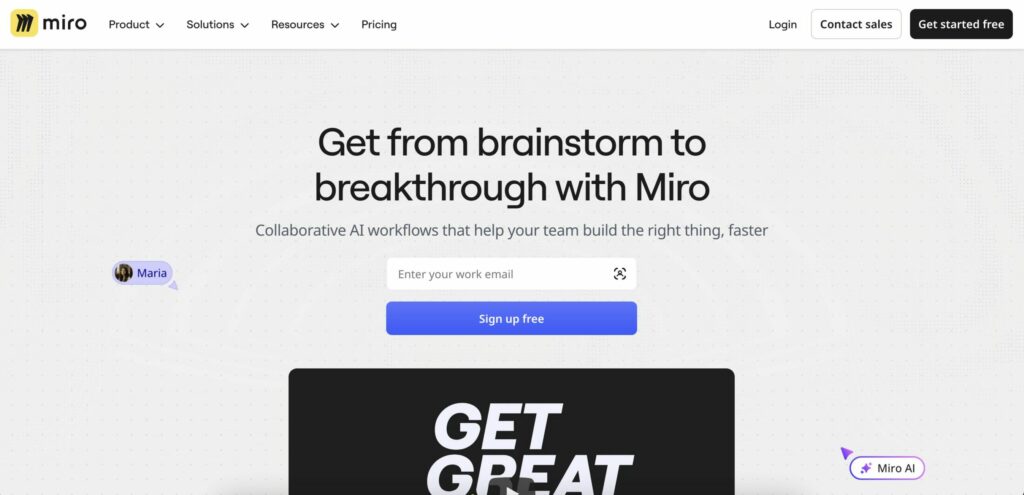
Email → role → needs → team size → personalized interface → guided tour.
The subscription offer only shows up when you try to access a paid feature. At a moment when you already understand the value. Not before.
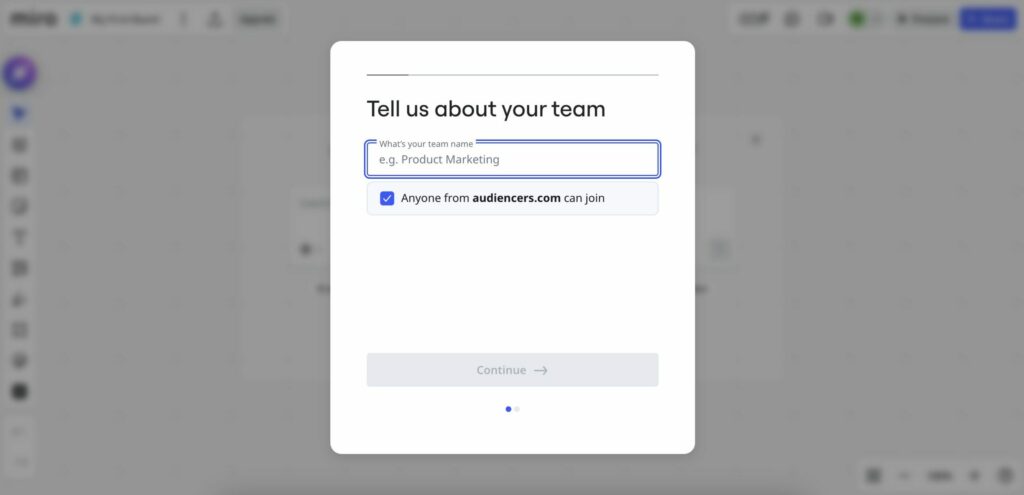
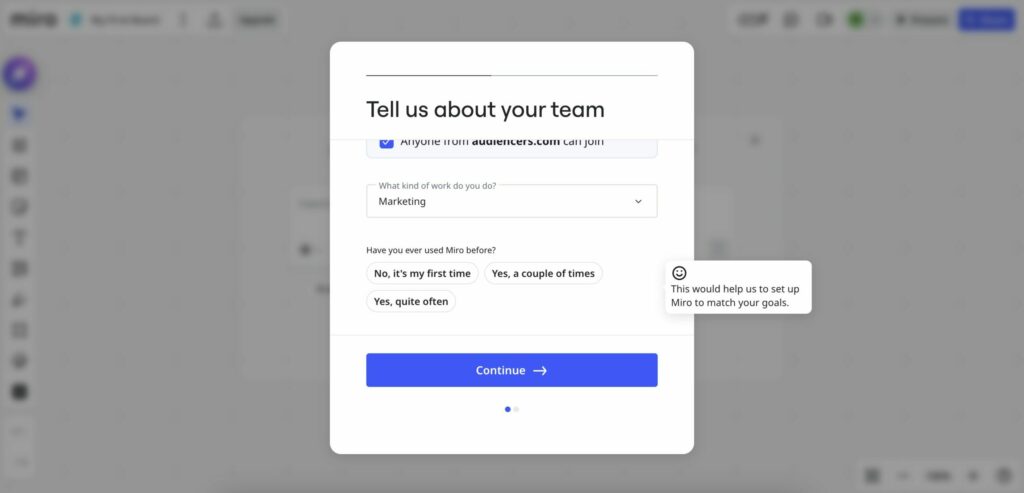
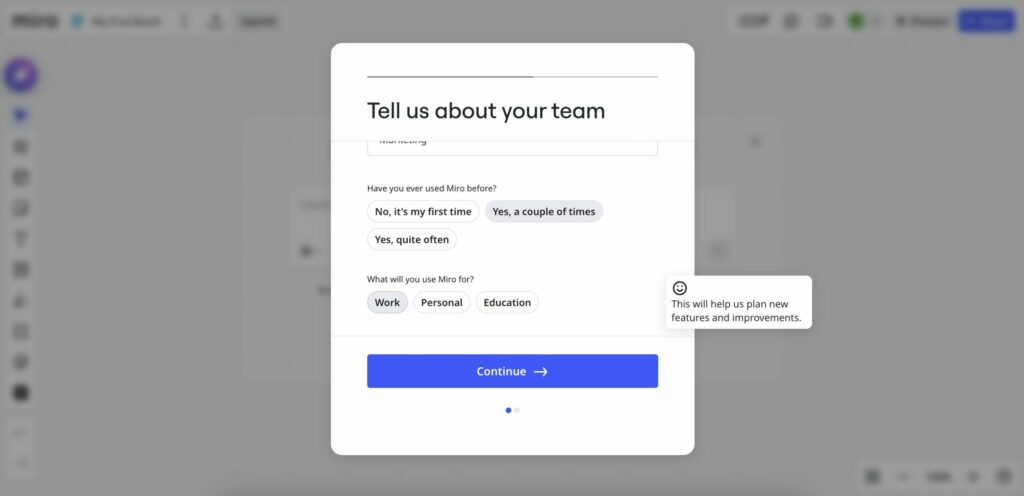
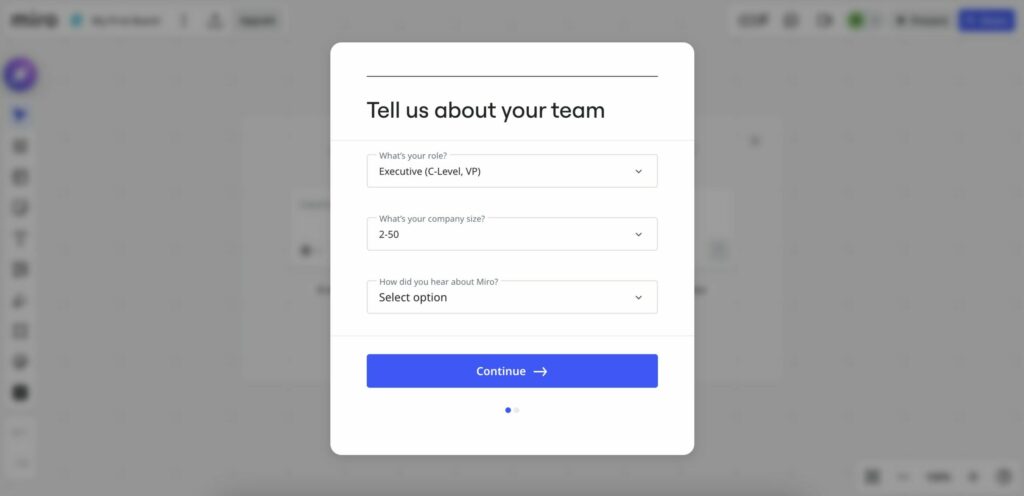
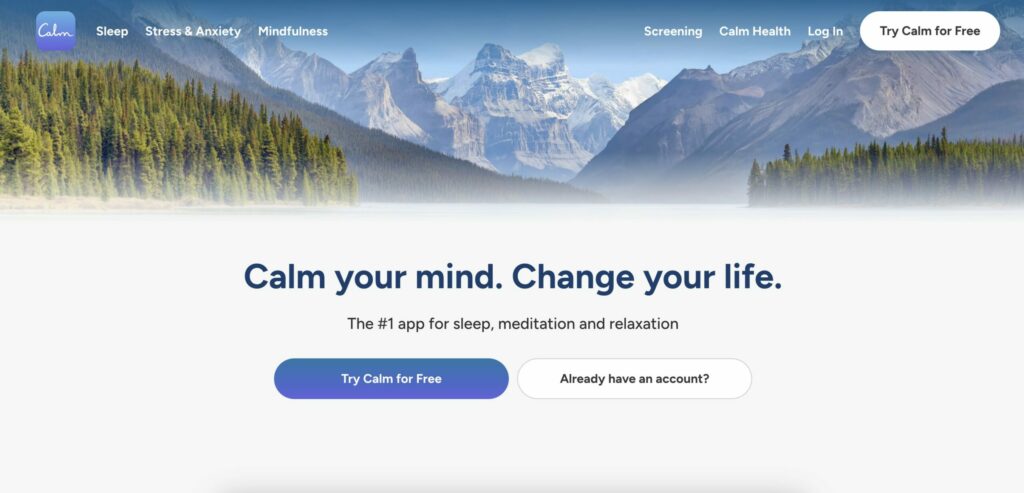
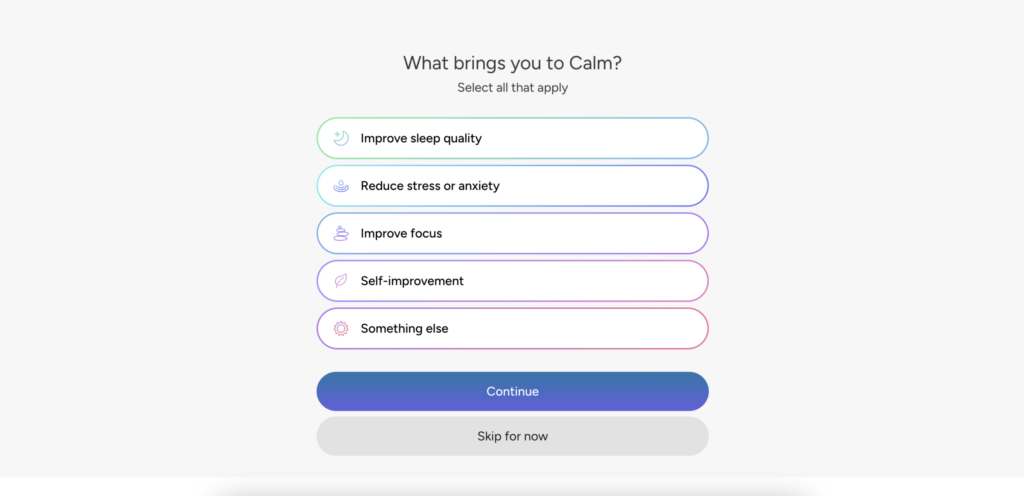
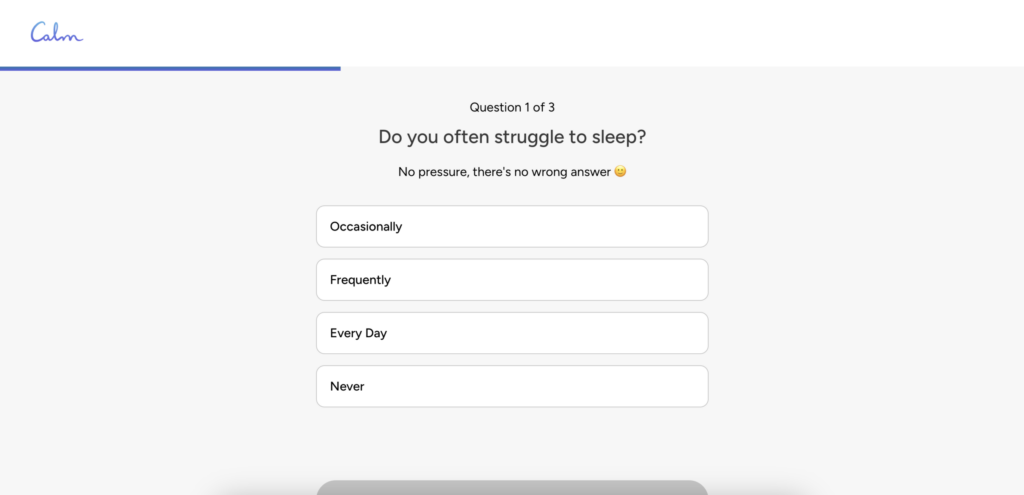
Calm goes somewhere else entirely. Before any trial or payment, they ask 10+ questions. Not about your job or your team. About your feelings. What can we help you with? How have you been feeling? What’s your biggest source of stress? They build a custom experience around your emotional state before asking for anything. For a meditation app, I found that pretty remarkable.
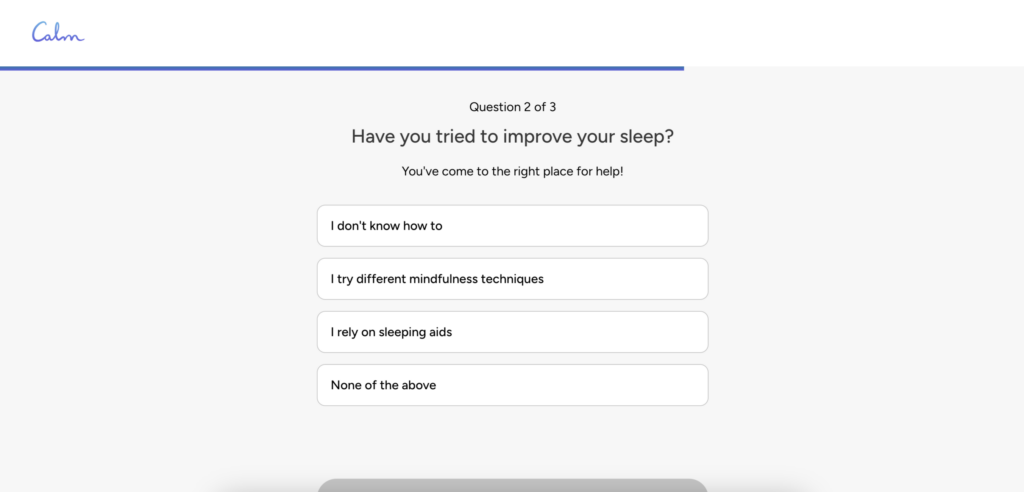
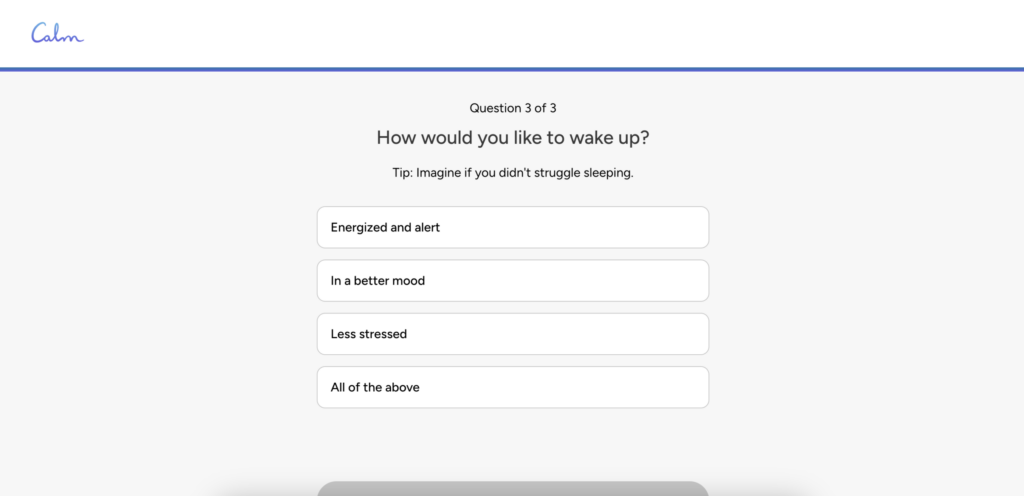
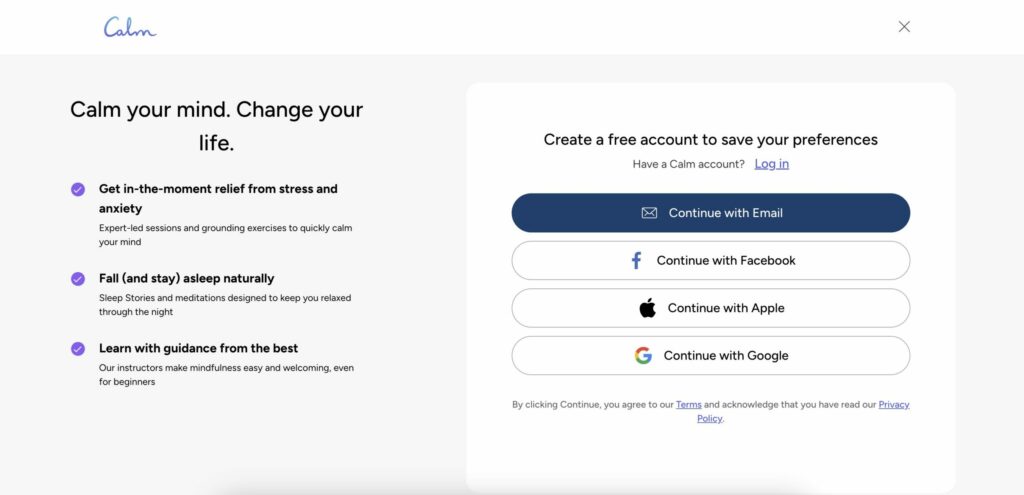
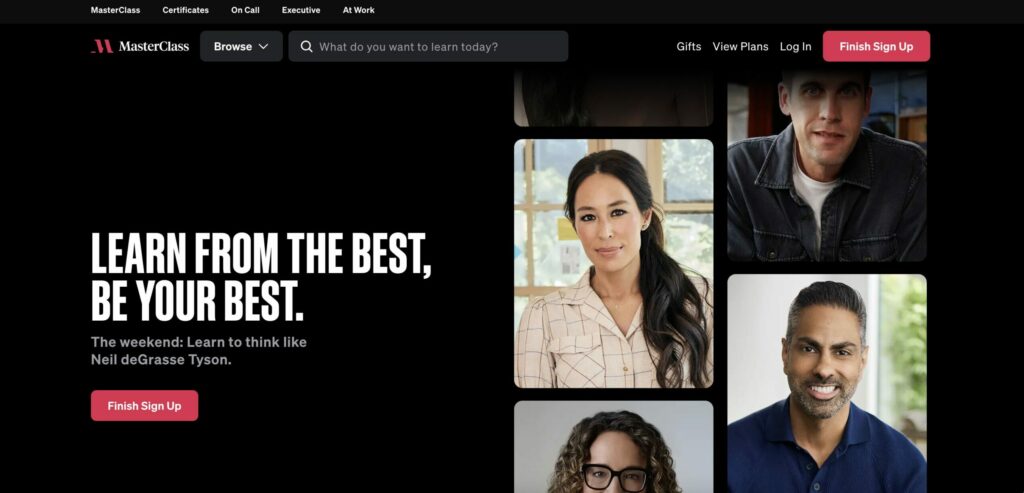
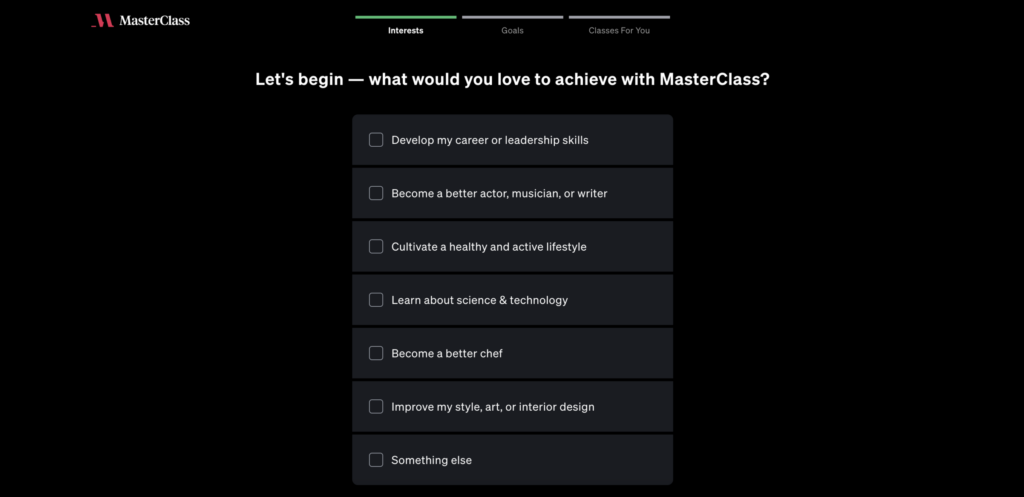
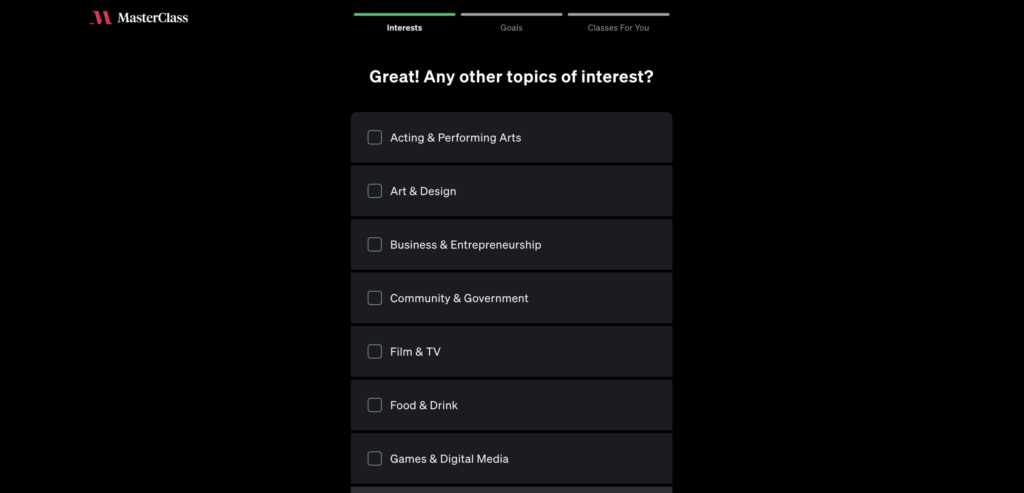
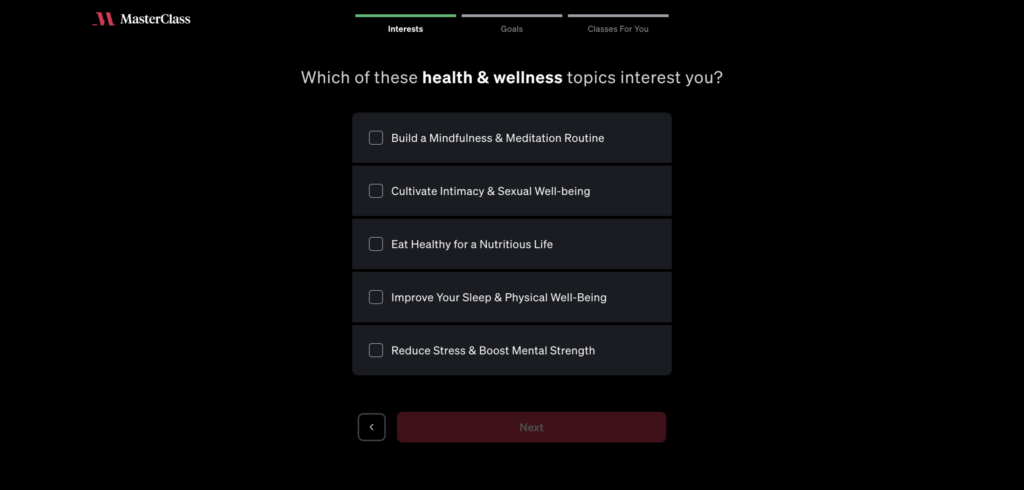
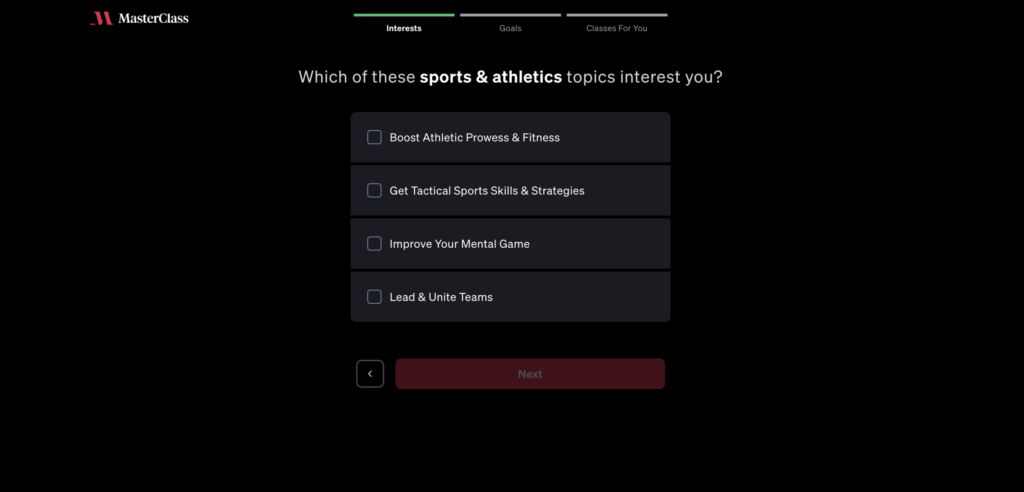
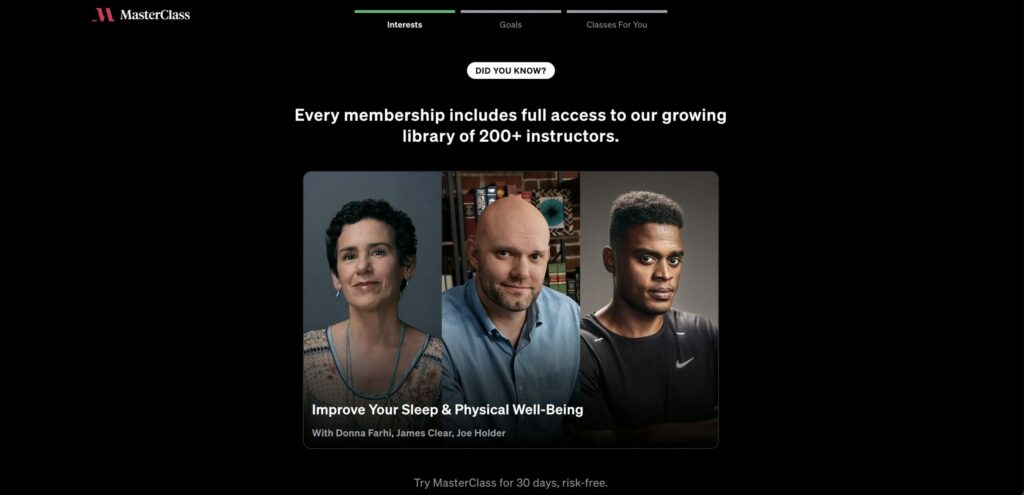
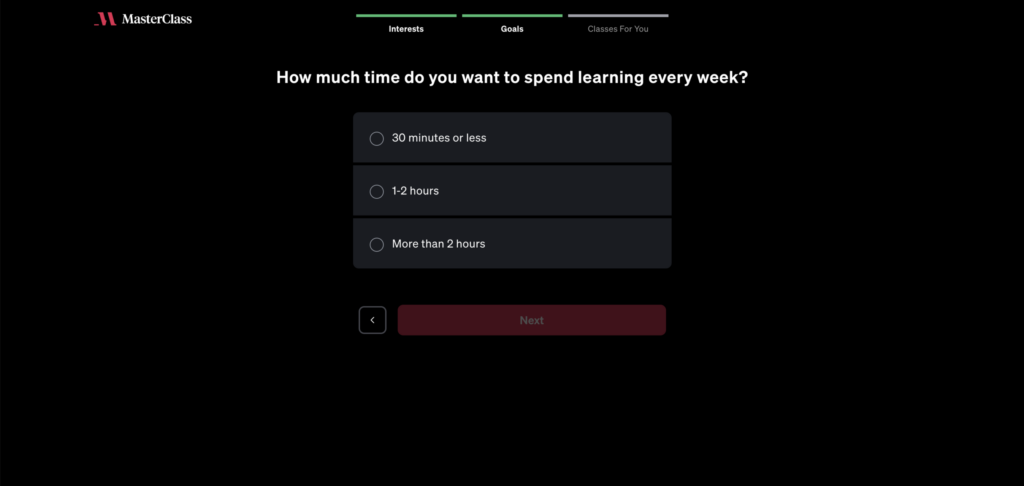
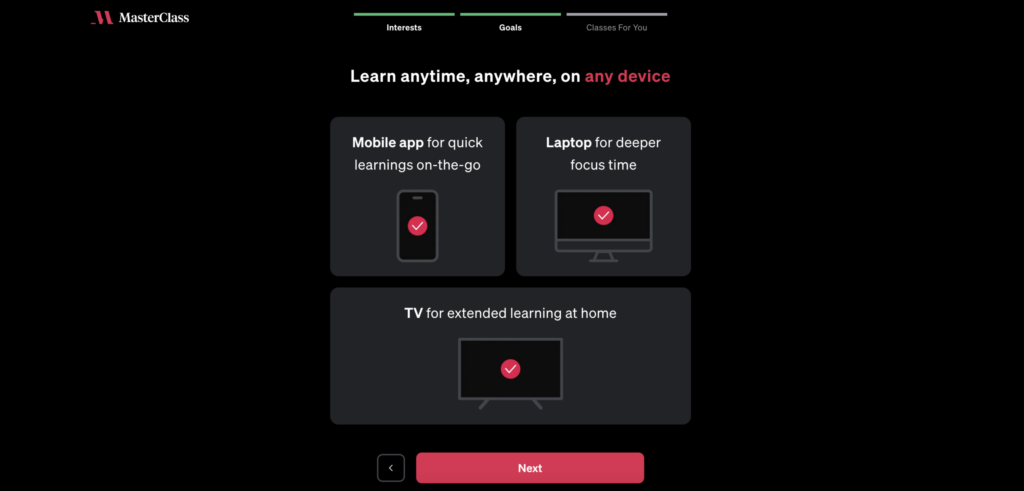
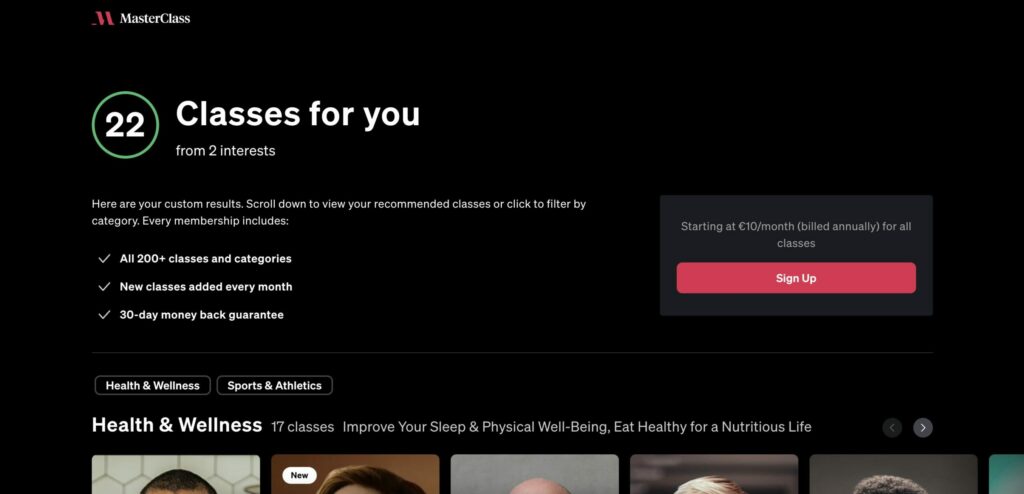
And Masterclass adds another layer: even from a paid Google ad (so, a user they’re paying to acquire), they don’t send you to a checkout page. They ask about your interests, build a personalized path of 36 classes (“Building your custom results…” appears on screen), and only then do they present the offer. They’re willing to add friction to a paid acquisition channel because they want to get you hooked first – making money is a second goal.
The cheap first offer: same goal, different method
Not every company goes through registration first. Some skip straight to a paid offer.
But when they do, the logic is the same: the goal isn’t to make money. It’s to get the user inside the product.
The NYT at $1/week. Peloton at $2.49/month. Washington Post, The Pioneer. These prices aren’t designed to generate meaningful revenue. They’re designed to let the user experience the product long enough to build a habit. The bet is that over 6 months, a year, 18 months, through bundles, new products, and price increases, the average revenue per user will grow significantly.
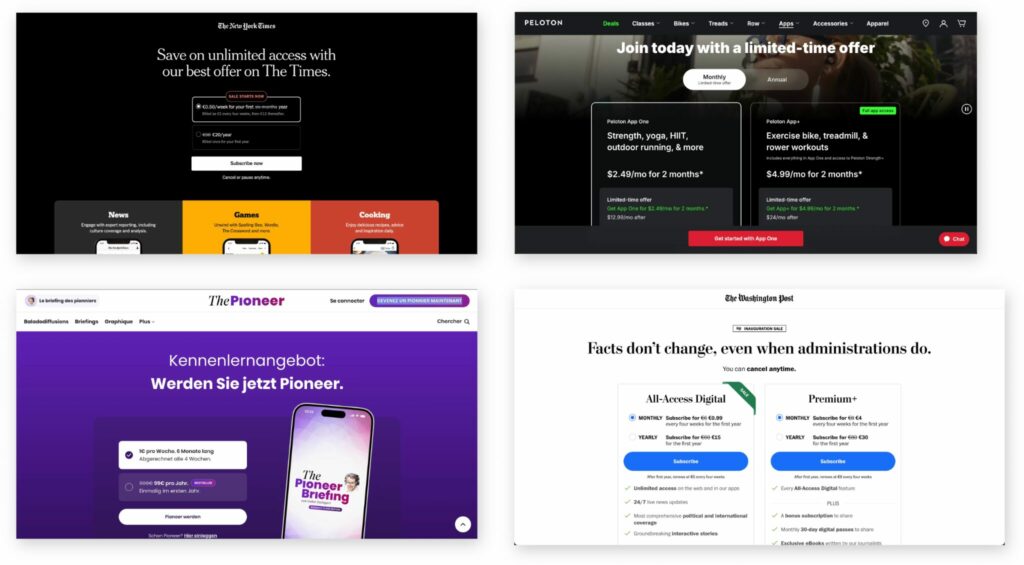
That’s why some media companies offer subscriptions at $20/year or even less. It sounds crazy if you think about it as revenue. It makes total sense if you think about it as product discovery with long term revenue as a goal.
And some companies stack both approaches. The NYT does registration first (zero subscription CTA), THEN aggressive trial pricing. They sequence the micro-conversions. As their own data shows, registration alone increases subscription conversion by more than 40%.
Others go with pure free trials: 7, 14, or 30 days. Headspace, Amazon Prime, Walmart+, Audible. Same logic: get the user inside long enough to build a habit. Free trials work especially well for products with daily usage. For the media industry, it depends on consumption patterns. A daily news publisher, maybe. A B2B publication or a monthly magazine? A 7-day trial probably isn’t enough to build anything valuable.
Let’s be honest, everything here sounds simple but it’s reaaaaaaally hard to do.
Complexity here is not about revenue tactics, but it stands in alignment within the organization.
You need a strong alignment between vision, long term goals (shared by all teams) and operations (plus a huge capacity to resist short term revenue, which is hard nowadays).
What you can take away from this (and test tomorrow)
Count the goals per step in your current journey. If any step tries to do two things at once (like a registration wall that also pushes a subscription CTA), that’s the first thing to fix. One step, one job.
Consider adding a “level 0” conversion before the paid one. A registration step gives you data, personalization, and engagement. The NYT showed that this alone increases conversion rates to subscription by more than 40%. That’s exactly why Poool makes it easy to set up and test registration modules (registration walls, onboarding sequences) and micro-conversions without dev, putting the data and engagement to use further down the funnel.
Rethink your first paid offer. The goal isn’t revenue on day 1. It’s getting the user inside long enough to build a habit. If Nieman Lab’s research is right and habit formation drops off after 100 days, design the duration around that.
Go sign up for Figma, Calm, or Masterclass. Not to use the product. To observe the journey. Take screenshots. I promise you’ll come back with ideas. (We did, and that’s how this whole series started.)
Next week, episode 4: offers and pricing. Why do the best performers acquire with one simple offer and upsell/retain with many. And why a single price means you’re designing for an “average user” who doesn’t exist.